

Introduction
In an era where climate change and environmental responsibility are top global priorities, the events industry is undergoing a major shift toward sustainability. Attendees, sponsors, and organizers alike are increasingly conscious of the environmental impact that large gatherings can have, from single-use plastics at outdoor festivals to the high energy consumption of multi-day conferences. The carbon footprint of events is significant, and sustainable event planning is no longer just a trend; it is becoming an expectation across the global events industry. To adapt to this shift, many organizers are leveraging smart event technology platforms like EventHex, which support digital workflows, reduce paper dependency, streamline resource management, and enable more efficient decision making.
Unlike traditional event planning advice that focuses primarily on logistics and engagement, this guide centers on minimizing environmental impact while maintaining an exceptional attendee experience. Through the lens of sustainable event planning, we explore practical strategies, innovative technologies, stakeholder engagement, and real-world approaches that show how sustainability can be seamlessly integrated into every phase of an event. Whether you are organizing a local workshop or a multinational conference, these insights will help you reduce your environmental footprint, enhance brand reputation, and deliver meaningful experiences aligned with the values of today’s conscious audiences.
1. Why Sustainable Event Planning Matters
Environmental issues such as climate change, waste pollution, and resource depletion are no longer distant concerns; they directly influence how businesses and communities operate. Events, especially large-scale ones, contribute heavily to carbon emissions, waste generation, and energy use. Single-use plastics, printed materials, long-distance travel, and high-energy demands for lighting and audiovisual equipment all leave a lasting impact.
Sustainable event planning shifts the industry focus from short-term convenience to long-term responsibility. It supports global initiatives like the United Nations Sustainable Development Goals while strengthening brand credibility among environmentally aware stakeholders. In addition, sustainable practices often lead to cost savings. Reducing waste, optimizing energy use, and minimizing unnecessary materials can significantly lower operational expenses.
Organizers who adopt sustainable event planning also attract a growing audience segment that values ethical decision-making. Today’s attendees increasingly choose events based on environmental performance, making sustainability a strong differentiator in a competitive marketplace.
2. Setting Sustainability Goals Early
For sustainable event planning to be effective, it must begin at the earliest stages of preparation. Before logistics and execution, organizers should establish clear environmental goals aligned with the event’s size, purpose, and audience. These goals guide decision-making throughout the planning lifecycle.
Tips for Setting Goals
Measure Your Baseline
Analyze data from previous events or industry benchmarks to understand expected waste generation, energy usage, and travel emissions.
Define Clear Metrics
Examples include:
-
Reducing total waste by 50 percent
-
Sourcing 80 percent of materials from sustainable suppliers
-
Eliminating single-use plastics
-
Offering carbon offset options to attendees
Align With Industry Standards
Frameworks such as ISO 20121 provide structure and credibility to sustainable event planning efforts and help standardize reporting.
Communicate Expectations Clearly
Ensure all stakeholders, including vendors, partners, and volunteers, understand sustainability targets and their role in achieving them.
Clear and measurable goals make sustainable event planning more actionable, trackable, and impactful.
3. Reducing Waste and Improving Material Choices
Waste reduction is one of the most visible and effective pillars of sustainable event planning. Traditional events often generate excessive waste through printed materials, disposable catering items, giveaways, and packaging.
a. Go Digital First
Replacing printed brochures, programs, and signage with mobile apps, QR codes, and digital displays drastically reduces paper waste. Digital tools also enable real-time updates and improve attendee convenience.
b. Choose Sustainable Materials
When physical materials are necessary, prioritize:
-
Recycled or recyclable signage
-
Biodegradable badges and lanyards
-
Reusable stage elements and LED lighting
These choices reinforce the principles of sustainable event planning while maintaining professional quality.
c. Partner With Eco-Friendly Vendors
Select vendors who use compostable packaging, local sourcing, and environmentally responsible production methods. Vendor alignment strengthens the overall sustainability narrative of your event.
d. Waste Sorting and Composting Stations
Provide clearly labeled recycling and composting stations, with staff guidance in high-traffic areas. Proper waste segregation maximizes diversion from landfills.
Effective waste management reflects a genuine commitment to sustainable event planning and encourages attendee participation.
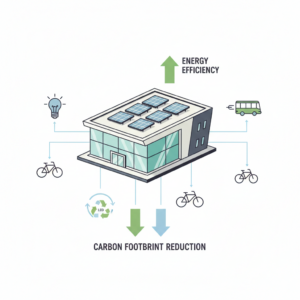
4. Energy Efficiency and Carbon Reduction
Energy use is a major contributor to an event’s carbon footprint, making it a critical focus area for sustainable event planning.
a. Choose Energy Efficient Venues
Venues with energy-efficient lighting, HVAC systems, and sustainability certifications significantly reduce energy consumption. Outdoor venues can also leverage natural light and ventilation.
b. Use LED Lighting and Smart Power Management
LED lighting consumes less energy and produces less heat. Smart scheduling and automated power controls ensure systems are used only when necessary.
c. Promote Sustainable Transportation
Encourage attendees to use public transport, carpool, cycle, or take shared shuttles. Offering incentives for low-emission travel choices supports sustainable event planning beyond the venue itself.
d. Carbon Offsetting
Unavoidable emissions, especially from travel, can be addressed through verified carbon offset programs focused on renewable energy or reforestation.
Combining energy efficiency with carbon reduction strategies significantly strengthens sustainable event planning outcomes.
5. Engaging Attendees and Stakeholders
Sustainability succeeds through collaboration. Sustainable event planning is most effective when attendees, sponsors, and vendors actively participate.
a. Attendee Education and Participation
Use event apps, emails, and social channels to communicate sustainability goals and practical actions, such as refill stations or waste sorting.
b. Incentivize Green Choices
Rewarded conscious behaviors like using public transport or participating in sustainability initiatives. Gamification increases engagement and awareness.
c. Vendor and Sponsor Alignment
Provide sustainability guidelines for vendors and encourage sponsors to use eco-friendly branding and materials.
d. Feedback and Community Involvement
Post-event surveys help measure perceptions and gather ideas for improvement, fostering a long-term, sustainability-focused community.
6. Measuring Impact and Reporting
Measurement is essential for continuous improvement in sustainable event planning.
a. Collect Data
Track metrics such as:
-
Waste diverted from landfills
-
Energy savings
-
Percentage of sustainable materials used
-
Reduced transportation emissions
b. Report Publicly
Sharing a sustainability report builds transparency, accountability, and trust with stakeholders.
c. Improve Future Events
Use insights to set stronger sustainability targets for future events and refine your planning approach.
Conclusion
Sustainable event planning is no longer optional. It is a defining standard for events that care about people, the planet, and long-term impact. By integrating sustainability into every stage, from goal setting and waste reduction to energy efficiency and stakeholder engagement, organizers can create events that are both memorable and responsible.
As the events industry evolves beyond 2026, those who commit to sustainable event planning will not only deliver exceptional experiences but also inspire meaningful environmental action and industry-wide change.
Related Reading for Event Success:
- The Future of Event Booking Platforms: How Smart Software is Transforming Experiences
- The Ultimate Guide to Future-Ready Event Experiences with EventHex
By leveraging zero-waste event strategy and carbon neutral event software, organizers can significantly enhance sustainable delegate management. This strategic approach ensures every event is backed by the latest innovation in event technology.
Sustainable Event Planning Impact
| Metric | Physical Events | EventHex Optimized |
|---|---|---|
| Paper Waste | High (Badges/Brochures) | 90% Reduction (Digital-first) |
| Travel Carbon Footprint | Unmonitored | AI-Optimized Routes |
Frequently Asked Questions
Q: Can EventHex help track our event’s carbon footprint?
A: Yes, our platform includes tools to monitor digital usage and resource allocation to help achieve zero-waste goals.