In the high-stakes world of B2B events, trade shows, and corporate conferences, the metric that truly separates an extraordinary event from an ordinary one is the depth of connections made. For decades, networking was treated as a byproduct of physical assembly—something left to chance, serendipity, and a hope that key buyers and sellers would stumble upon each other on a crowded exhibition floor.
However, as event portfolios grow more complex and budgets face stricter scrutiny, relying on accidental encounters is no longer a viable strategy. Business leaders, sponsors, and qualified attendees demand measurable return on investment (ROI). They want targeted, highly relevant interactions that directly align with their commercial objectives.
This is where the adoption of an AI-powered event matchmaking platform transforms the industry. By replacing traditional, static directories with real-time machine learning algorithms, modern event organizers can engineer meaningful B2B relationships at scale. From automated recommendation engines to centralized calendar synchronization, AI matchmaking optimizes every minute an attendee spends onsite.
The Death of Serendipity: Why B2B Networking Requires Automation
To understand the value of an AI-powered event matchmaking platform, we must first look at the inherent flaws of legacy networking models:
- The Discovery Gap: At massive trade shows with thousands of attendees, finding a specific partner who matches a niche profile is mathematically highly improbable.
- Time Inefficiency: Business professionals spend valuable hours filtering through directories, sending cold emails, and attempting to schedule physical meeting slots manually.
- Fatigue and Friction: Random badges, generic sales pitches, and unqualified meetings cause rapid networking fatigue, leading to lower post-event engagement.
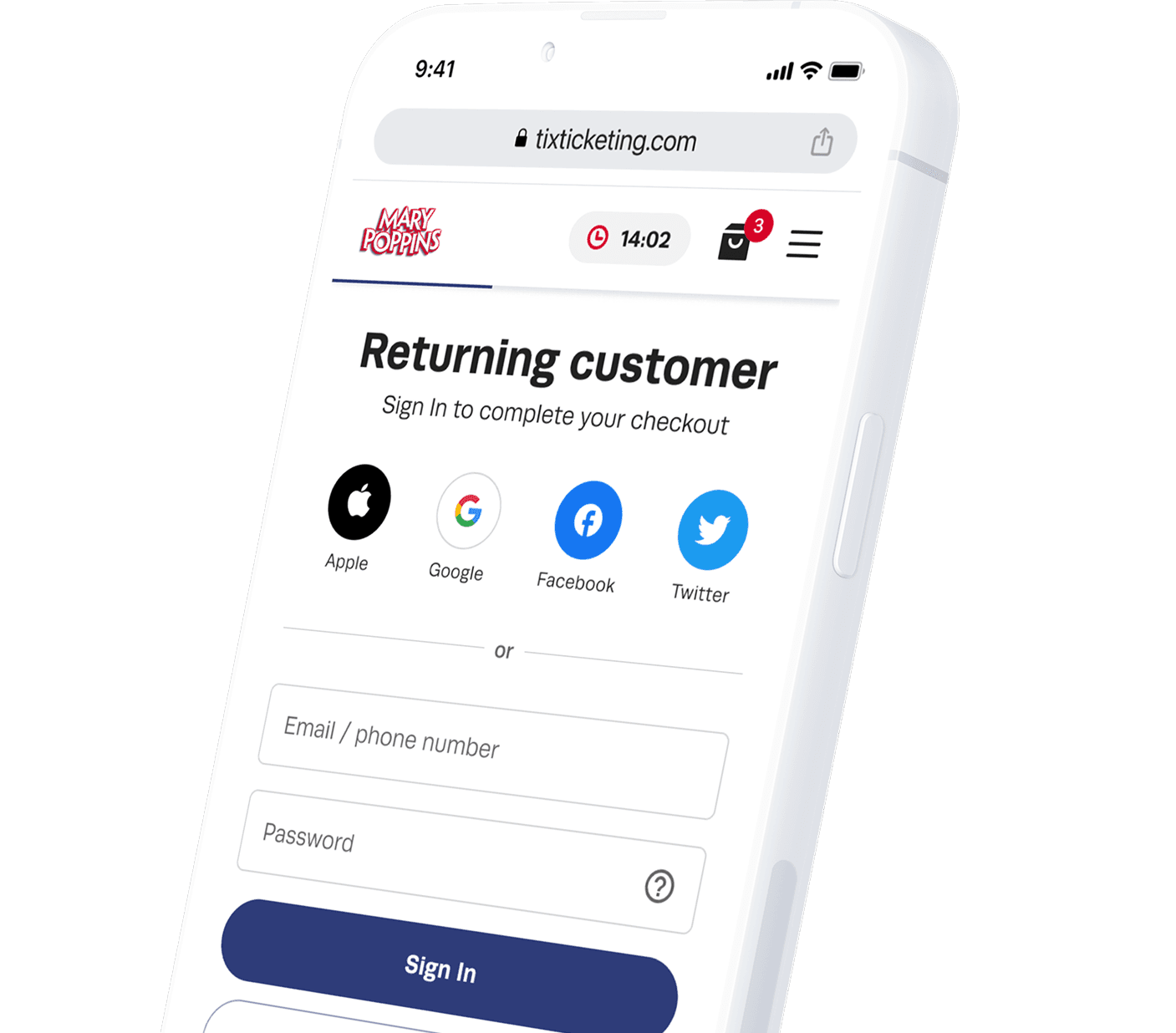
To overcome these challenges, industry pioneers leverage modern digital tools. Implementing a streamlined, end-to-end framework starting with frictionless event registration ensures that participant preferences, business verticals, and buying intent are captured cleanly from day one. These structured data points become the foundational fuel for AI engines to deliver precise, tailored matchmaking recommendations.
How an AI-Powered Event Matchmaking Platform Connects the Dots
An AI-powered event matchmaking platform does not merely filter lists; it acts as an active, cognitive intermediary. Utilizing natural language processing (NLP) and behavioral machine learning, the platform processes multiple layers of attendee data to establish highly relevant connections:
1. Intent-Based Profiling
Traditional profile setups ask simple demographic questions. AI matchmaking, however, analyzes intent. It evaluates what attendees are actively looking to buy, sell, learn, or solve. This contextual understanding enables the algorithm to pair a startup looking for Seed-series venture capital in the cybersecurity space with the precise angel investor focusing on early-stage security infrastructure.
2. Dynamic Recommendation Engines
Similar to how consumer streaming services suggest content, an AI-powered event matchmaking platform recommends potential partners in real-time. As attendees interact with the event app—favoriting sessions, booking meetings, or browsing exhibitors—the recommendation engine adapts to historical data, refining its suggestions continuously to increase mutual match relevance.
3. Seamless Scheduling and Resource Management
Managing meeting schedules across thousands of participants can quickly devolve into operational chaos. The platform eliminates the back-and-forth by automating scheduling. It checks reciprocal calendars, books mutual time slots, assigns dedicated physical tables or virtual rooms, and automatically handles cancellations or reschedules by dynamically reallocating open slots.
Unlocking Measurable Business Value Across Key Stakeholders
The strategic deployment of an AI-powered event matchmaking platform creates a triple-win ecosystem, elevating value for organizers, exhibitors, and attendees alike.
For Organizers: Seamless Coordination and Retention
Organizers are no longer left guessing if their event was successful. They can orchestrate, track, and fine-tune operations through a centralized dashboard that aggregates all networking actions, match quality scores, and meeting fulfillment rates. This level of visibility makes it easy to prove event ROI to corporate sponsors and board members, directly accelerating attendee retention and ticket sales for subsequent editions.
For Exhibitors and Sponsors: Guaranteed Pipeline and Qualified Leads
Rather than standing in a booth hoping the right prospect walks by, exhibitors can secure pre-scheduled, pre-qualified B2B meetings with decision-makers who have explicitly indicated interest in their product category. This transforms trade shows from speculative marketing costs into highly predictable sales pipeline generators.
For Attendees: Optimized Time and Maximized ROI
Attendees can build their entire itinerary before setting foot in the venue. Knowing that every scheduled meeting is backed by data-driven relevance, they can maximize their networking hours, avoid unproductive conversations, and secure high-value partnerships that justify travel and registration costs.
Best Practices for Implementing AI Matchmaking in Your Event Strategy
If you are ready to implement an AI-powered event matchmaking platform, follow these critical best practices to guarantee success:
- Integrate Your Tech Stack: Ensure your matchmaking engine is natively linked to your registration system. A unified solution like EventHex.ai integrates your entire event lifecycle—from the initial landing page and ticket sale to the post-event analytics suite.
- Promote Early Profile Completion: The AI is only as good as the data it receives. Launch your matchmaking portal 2 to 3 weeks prior to the event, and incentivize attendees to complete their profiles with targeted email campaigns.
- Establish dedicated “Networking Zones”: Provide clearly numbered tables, dedicated lounges, or quiet spaces so pre-scheduled meetings can take place without logistical friction.
The Future of B2B Event Tech: Where Do We Go From Here?
As artificial intelligence matures, matchmaking platforms will continue to evolve beyond basic meeting scheduling. Future iterations will integrate predictive analytics—telling organizers which sponsors a buyer is likely to purchase from before they even register. Real-time translation, post-meeting AI summaries, and automated CRM integrations will further bridge the gap between physical handshakes and digital workflows.
Ultimately, B2B events are no longer about just filling halls. They are about building high-value, sustainable professional networks. By deploying an AI-powered event matchmaking platform, you ensure your event becomes an indispensable, highly efficient engine of industry growth.
Frequently Asked Questions (FAQs)
What is an AI-powered event matchmaking platform?
An AI-powered event matchmaking platform is an event technology solution that uses artificial intelligence, machine learning algorithms, and natural language processing to analyze attendee profiles, goals, and behaviors. It then suggests the most relevant business connections, helping attendees, exhibitors, and sponsors network strategically rather than by chance.
How does AI matchmaking increase event ROI?
AI matchmaking increases ROI by ensuring that exhibitors and attendees spend their limited event hours in high-value, highly qualified meetings. Instead of weeding through thousands of unqualified leads, participants are automatically connected with buyers or sellers who perfectly match their business needs and buying criteria.
Can AI event matchmaking work for both physical and hybrid events?
Yes. A modern matchmaking platform can orchestrate physical meetings by assigning specific tables or booths inside a venue, or seamlessly launch integrated video conferencing links for remote, virtual, or hybrid attendees to connect internationally without friction.
What kind of data is needed for the AI matchmaking engine to be effective?
The engine requires structured profile data, which is collected during registration. This includes basic details (industry, job function, location) alongside qualitative details (buying budget, offering description, and specific networking objectives). The system can also utilize in-app behavioral indicators, such as bookmarked sessions, to refine matches.