The Evolution of Event Ticketing in 2026
For modern event professionals, relying on legacy systems is no longer an option. The landscape of event management has transformed dramatically, and having the right event ticketing software for organizers is crucial to survival and growth. Today, attendees expect a seamless, mobile-first checkout experience, while organizers demand deep analytics, flexible payout options, and robust integrations. Whether you are hosting a local workshop, a massive music festival, or a hybrid corporate conference, your ticketing platform is the engine that drives your revenue and initial attendee engagement.
In 2026, the best ticketing platforms go far beyond simply processing payments. They act as central hubs for marketing, audience engagement, and data analysis. In this comprehensive guide, we’ll explore exactly what to look for when evaluating an event ticketing system, the pitfalls to avoid, and how the right technology can exponentially increase your event ROI.
Key Features to Look for in Event Ticketing Software
Choosing a new platform can be overwhelming given the saturated market. However, focusing on these core capabilities will help you identify the event ticketing software for organizers that truly fits your needs.
1. Seamless Digital Checkout Experience
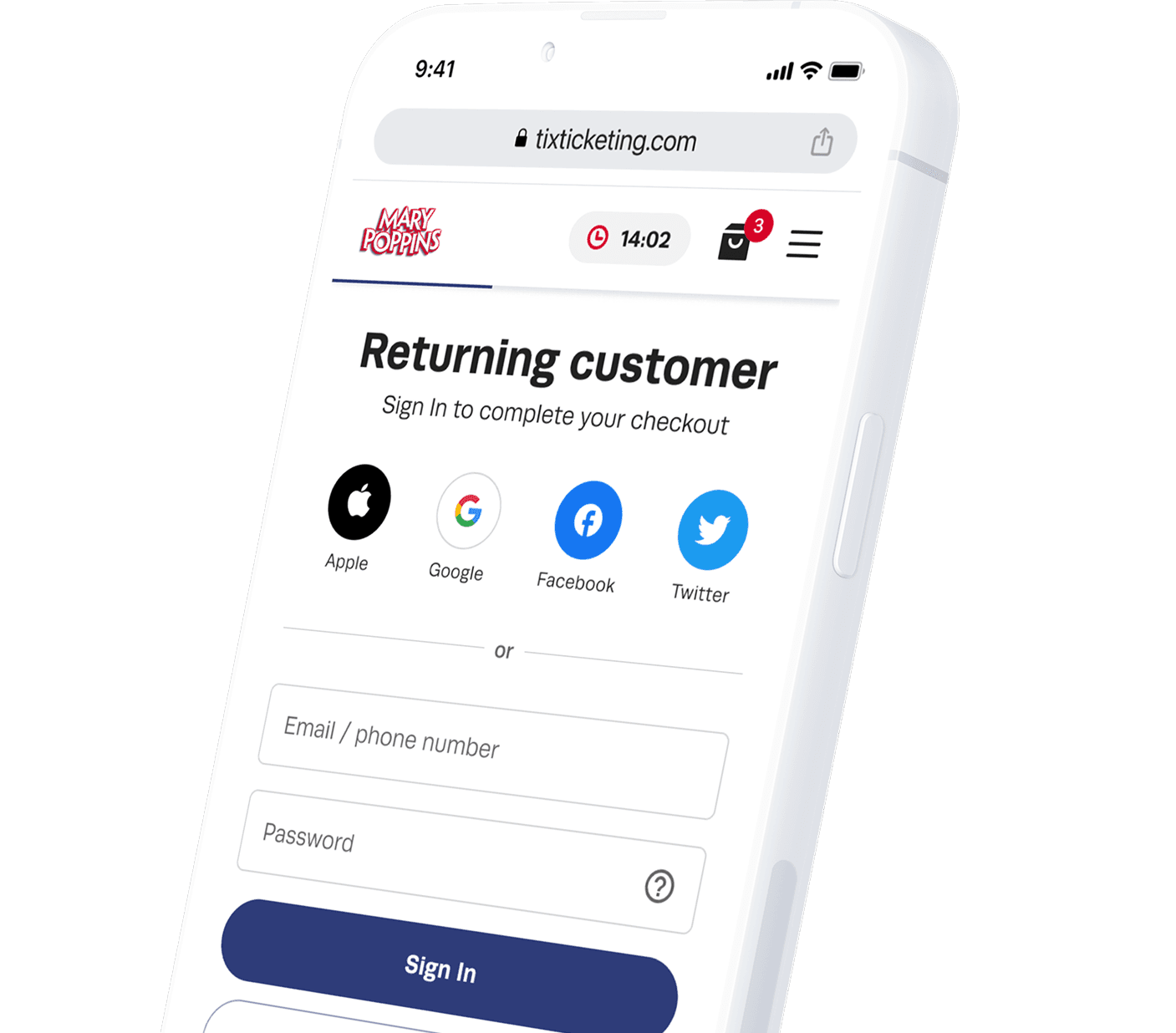
Cart abandonment is the silent killer of event ticket sales. A clunky, multi-page checkout process will cost you conversions. In 2026, the standard is a rapid, mobile-optimized digital checkout interface. Attendees should be able to purchase tickets using Apple Pay, Google Pay, or one-click credit card options without being forced to create an account. The interface must be clean, fast, and secure.
2. Centralized Dashboard and Analytics
Data is the most valuable asset an organizer has. You need a platform that provides real-time insights into ticket sales, page views, conversion rates, and marketing attribution. A centralized dashboard allows you to monitor all your events from a single screen. This high-level visibility enables you to make immediate adjustments to your marketing spend, identify which channels are driving the most sales, and accurately forecast your final attendance numbers.
3. Advanced Event Registration Capabilities
Ticketing is just one piece of the puzzle; comprehensive registration is the other. Depending on your event type, you may need to collect specific attendee information, manage complex ticket types (e.g., VIP, early bird, group discounts), or set up waitlists for sold-out sessions. Robust event registration features ensure you capture the necessary data effortlessly while providing a smooth onboarding experience for the attendee.
4. Brand Customization
Your ticketing page should look like an extension of your own website, not a third-party portal. White-labeling options and extensive brand customization (colors, fonts, logos, custom domains) build trust with your audience and keep them immersed in your brand ecosystem. Generic ticketing pages often lead to confusion and lower conversion rates.
5. Seamless Integration Ecosystem
Your event ticketing software does not exist in a vacuum. It must communicate seamlessly with your CRM (like Salesforce or HubSpot), your email marketing platform (like Mailchimp or Klaviyo), and your accounting software. In 2026, Native API integrations and webhook support are non-negotiable features for serious organizers who want to automate their workflows and eliminate manual data entry.
Understanding Pricing Models: Beware of Hidden Fees
The cost structure of event ticketing software can significantly impact your bottom line. It’s vital to look past the advertised ‘free to use’ banners and understand exactly how a platform makes its money.
Per-Ticket Fees vs. Subscription Models
Most traditional platforms charge a percentage of the ticket price plus a flat fee per ticket sold. This model works well for organizers with small, infrequent events because there are no upfront costs. However, as your event scales and ticket prices increase, these per-ticket fees can take a massive bite out of your revenue.
Alternatively, some modern platforms are shifting toward a SaaS subscription model, where you pay a flat monthly or annual fee for the software and only pass on standard credit card processing fees to the buyer. For high-volume organizers, this model can result in tens of thousands of dollars in savings annually.
Payout Schedules
Cash flow is the lifeblood of event planning. You need funds to pay venues, caterers, and marketing agencies before the event takes place. Carefully review a platform’s payout terms. Do they hold your funds until after the event concludes, or do they offer instant or daily payouts via Stripe/PayPal integration? The best event ticketing software for organizers empowers you with immediate access to your capital.
How to Evaluate and Migrate to a New Platform
Switching ticketing providers can be daunting, but the long-term benefits usually outweigh the short-term friction. Here is a step-by-step approach to migrating smoothly.
Step 1: Define Your Non-Negotiables
Before booking demos, make a list of your absolute must-have features. Do you need assigned seating capabilities? Multi-currency support? On-site badge printing integration? Knowing your deal-breakers will help you quickly filter out platforms that aren’t a fit.
Step 2: Test the Attendee Experience
Always request a sandbox account or test environment. Go through the purchase flow exactly as an attendee would. Try it on a desktop, a tablet, and a mobile phone. If you find the process frustrating, your attendees will too.
Step 3: Evaluate Customer Support
When tickets go on sale for a highly anticipated event, or when you are dealing with on-site check-in issues on the morning of the conference, you cannot afford to wait 48 hours for an email reply. Look for platforms that offer 24/7 live chat, dedicated account managers, and emergency phone support.
Step 4: Plan the Data Migration
If you are moving from an older system, you will need to migrate your past attendee data. Check if the new platform offers import tools or dedicated onboarding specialists to assist with the transfer. Clean data is essential for your future remarketing campaigns.
Why EventHex is Leading the Charge in 2026
As the demands of organizers evolve, platforms must adapt. At EventHex, we’ve built a suite of tools specifically designed to solve the modern organizer’s pain points. From our intuitive home platform to our advanced analytics, we empower creators to take control of their data and their revenue.
Our focus on a frictionless digital checkout interface ensures maximum conversion rates, while our robust backend gives organizers the granular control they need. In 2026, choosing the right event ticketing software for organizers isn’t just about selling tickets—it’s about building an scalable event business.
Conclusion
The decision you make regarding your ticketing platform will ripple through every aspect of your event, from initial marketing ROI to on-site attendee satisfaction. By prioritizing a seamless checkout experience, demanding access to a centralized dashboard, and understanding the true cost of the pricing model, you can select a partner that will help your events thrive in 2026 and beyond. Don’t settle for legacy systems that hold your data hostage and drain your margins. Demand more from your event technology.