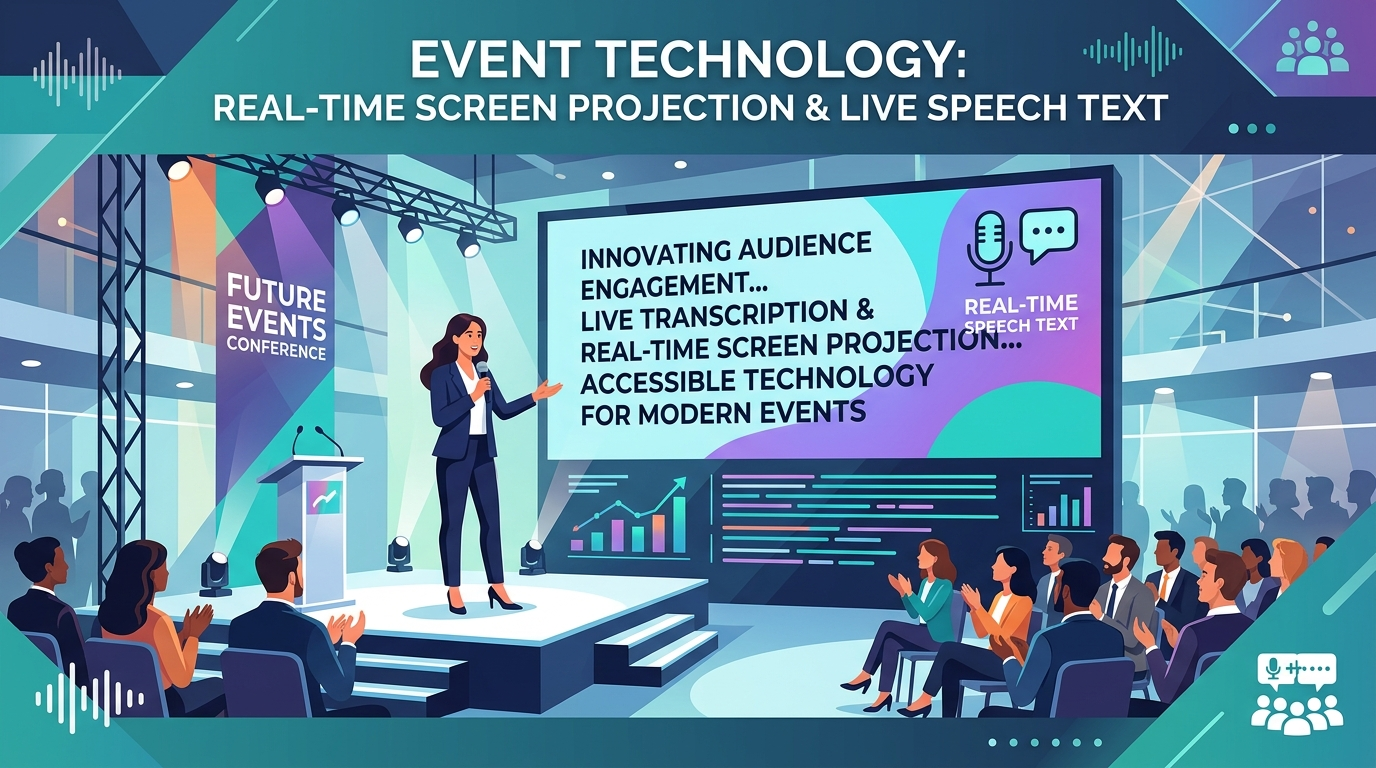
In the highly competitive and fast-paced landscape of modern event production, the line between a moderately successful event and an unforgettable, highly impactful attendee experience lies in the strategic execution of accessibility, engagement, and seamless, multi-channel communication. As corporate conferences, global commercial summits, industry-wide conventions, and academic symposiums transcend traditional physical and geographical boundaries, event organizers are met with a complex, persistent challenge: how do we break down linguistic, physical, cultural, and situational barriers for a diverse, highly fragmented audience? The definitive answer lies in the strategic deployment of modern, AI-powered real-time live transcription solutions.
Real-time live transcription—the instantaneous conversion of live spoken audio into highly accurate, readable written text—has rapidly evolved from an optional compliance checklist item into an absolute, core necessity for modern events of all scales and formats. Whether you are hosting an in-person regional forum, a hybrid international summit, or a fully virtual global broadcast, implementing robust real-time captioning processes ensures that every single attendee remains deeply connected, fully engaged, intellectually stimulated, and empowered to actively participate in the collective experience.
1. What is Real-Time Live Transcription?
At its core, real-time live transcription utilizes highly advanced Automatic Speech Recognition (ASR) engines integrated with sophisticated Natural Language Processing (NLP) models to convert live spoken dialogue into structured, readable text within milliseconds. Unlike post-event transcripts, which are compiled, proofread, and distributed hours or even days after an event concludes, live captioning delivers the text on screens, mobile apps, specialized accessibility tablets, or primary digital displays almost synchronously with the speaker’s voice, maintaining an optimal flow of information.
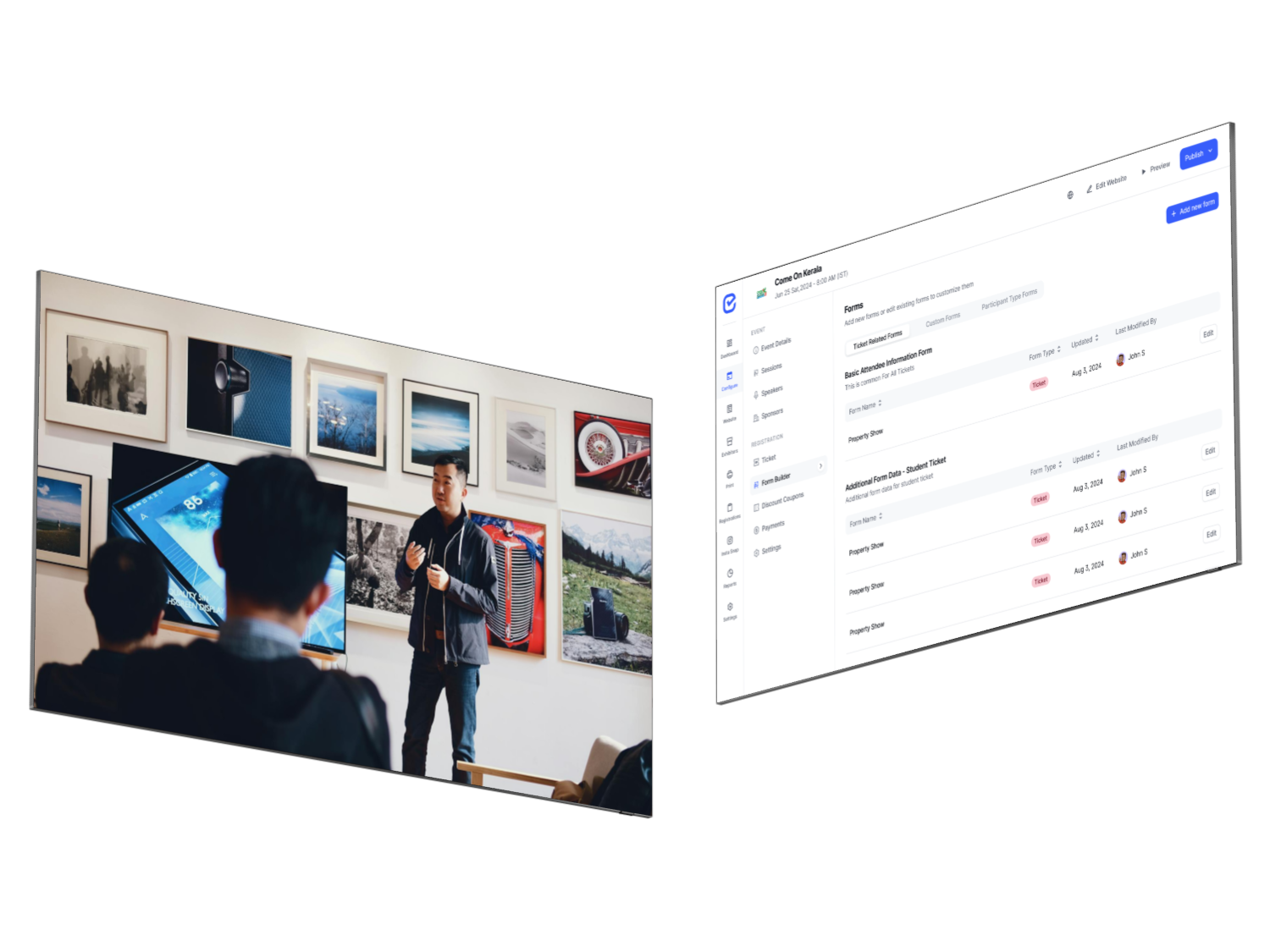
For modern, tech-driven events managed via a comprehensive, centralized management framework, these live transcription feeds can be seamlessly integrated directly into the primary event interface. By leveraging a high-performance centralized dashboard, event organizers can manage, monitor, and configure live transcription streams across multiple stages, virtual rooms, and in-person screens from a single, unified operations control hub. This integration ensures that technical teams can immediately spot latency anomalies, train language dictionaries on-the-fly, and coordinate a perfect digital-physical hybrid display.
2. Breaking Physical Barriers: Inclusivity & Digital Accessibility
The primary and most crucial driver for real-time live transcription is digital accessibility and universal design. In any large-scale gathering, a significant portion of your audience may experience various forms of hearing impairment, ranging from mild hearing loss to complete deafness. For Deaf or hard-of-hearing attendees, live captions are not just a convenient feature—they are the only viable vehicle for complete accessibility, information ingestion, and active event participation. Without real-time text delivery, these participants are effectively excluded from the core content of your sessions, leaving them disconnected and unable to participate in live Q&A sessions or panel discussions.
The Broad Spectrum of Accessibility
Accessibility is not a narrow, one-size-fits-all concept. Universal design in event production benefits a far wider audience than many planners initially realize:
- Permanent Impairments: Full equity and inclusion for Deaf and hard-of-hearing individuals, aligning with global digital standards such as WCAG (Web Content Accessibility Guidelines) and regional civil rights laws like the Americans with Disabilities Act (ADA) and the European Accessibility Act (EAA).
- Temporary and Situational Constraints: Attendees dealing with temporary ear infections, malfunctioning personal audio equipment, or loud, crowded surrounding environments (such as busy exhibition halls, noisy transit hubs, or multi-stage venues with audio bleed) benefit immensely from having a visual text companion.
- Neurodiversity Support: Many neurodivergent individuals, including those with Auditory Processing Disorder (APD), ADHD, dyslexia, or autism, find that reading text while listening greatly improves information retention, focus, and overall cognitive processing.
3. Bridging the Language Gap: Global Reach & Multilingual Translation
In our highly connected global marketplace, corporate events and academic symposia regularly attract international audiences. For non-native speakers, processing complex technical jargon, regional accents, or fast-paced speech in a second language can be exhausting. Real-time live transcription alleviates this cognitive load, providing a constant, stable visual aid that improves understanding, context, and focus. This visual reinforcement acts as a psychological safety net, allowing international delegates to fully grasp the nuances of complex presentations without feeling overwhelmed or falling behind.
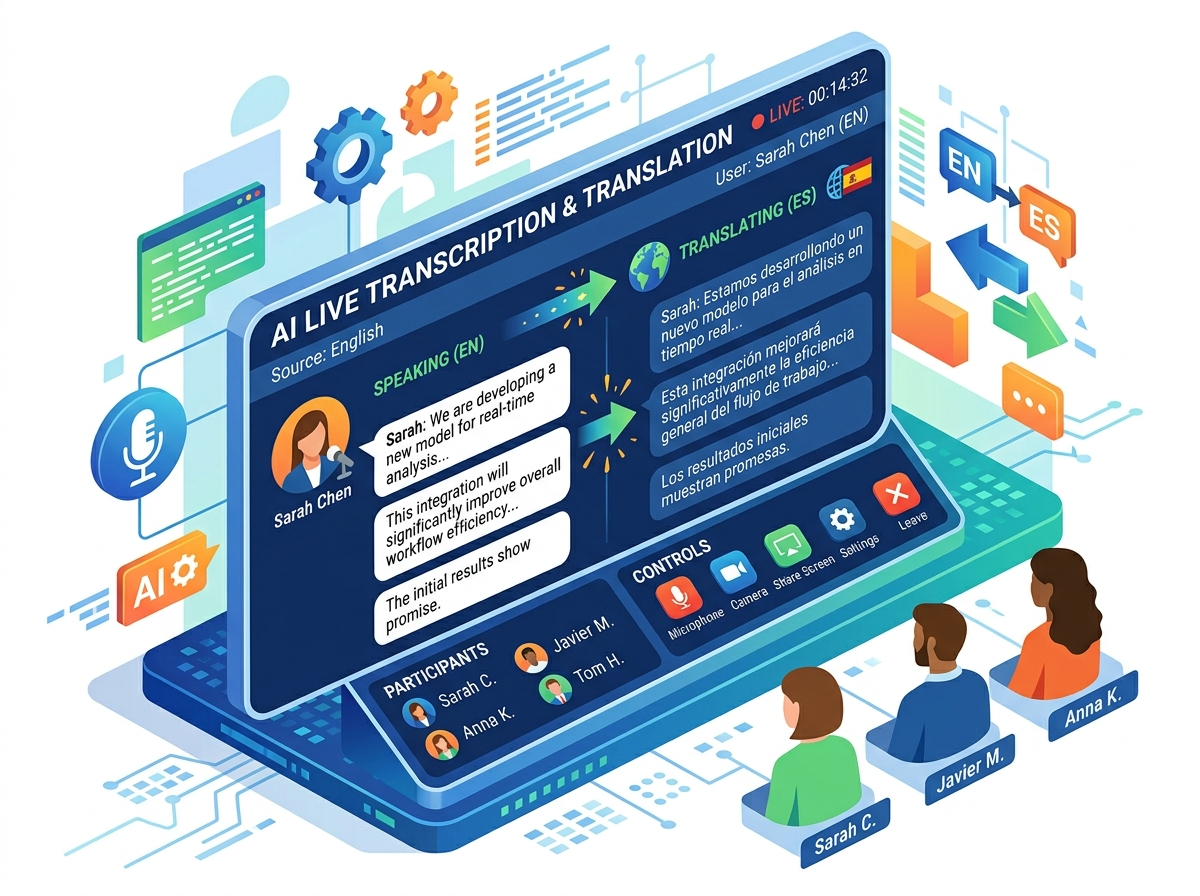
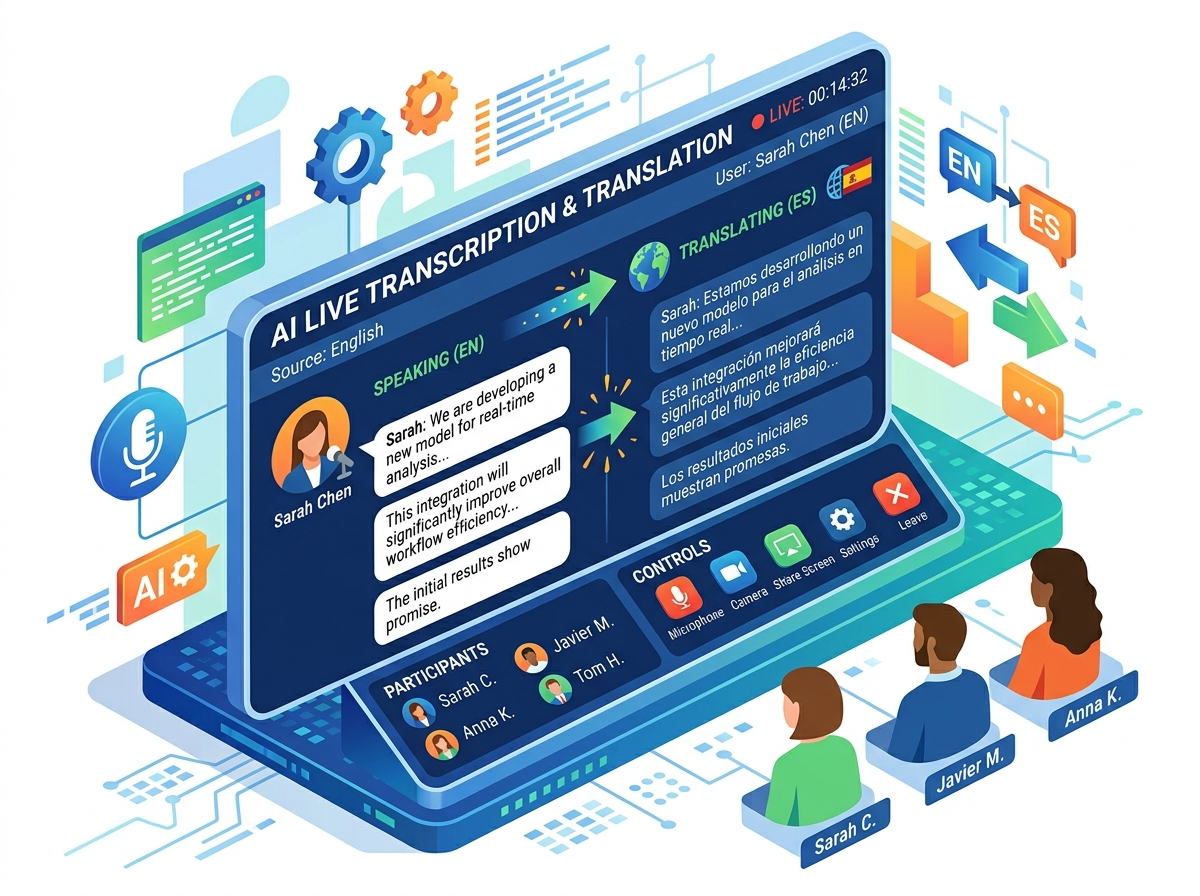
Furthermore, advanced live transcription platforms can instantly translate the transcribed text into dozens of different languages. An attendee in Tokyo can read Japanese subtitles while the speaker in San Francisco delivers their keynote in English, eliminating linguistic barriers and opening your event to a truly global audience. Implementing smooth translation workflows begins with a robust, accessible event registration process that captures language preferences early, allowing planners to configure custom language streams in advance.
4. Enhancing Audience Engagement and Content Retention
Modern event attendees are notorious multitaskers, and attention spans are increasingly fragmented. In a hybrid or virtual environment, physical distractions are rampant. If a virtual viewer loses connection for a brief moment, or an in-person attendee has to take a quick call, how do they get back on track? Live transcripts offer immediate situational re-entry. By scanning the on-screen transcription, latecomers or distracted viewers can immediately catch up with the conversation without losing context.
Maximizing Information Digestibility
Reading text dramatically increases content comprehension. Visual reinforcement helps attendees absorb specialized technical definitions, complex numerical data, and industry-specific terminology. This eliminates the anxiety of frantic note-taking, enabling your audience to focus purely on active listening and engaging with interactive elements like live polls and Q&A panels.
5. Unlocking SEO and Long-Term Post-Event Value
While the immediate focus of real-time live transcription is the live experience, the benefits extend far beyond the final closing remarks. By capturing every spoken word in a digital, time-coded format, event organizers instantly generate a massive, indexable content asset.
Repurposing Live Content
Your real-time transcripts can be easily repurposed to feed your post-event marketing engine:
- Search Engine Optimization (SEO): Publishing complete, accurate transcripts of your sessions on your website gives search engine crawlers keyword-rich content to index, driving organic search traffic to your brand.
- Social Media Content: Easily pull highly impactful quotes, insights, and actionable advice from your transcript to fuel your social media campaigns.
- Blog and Article Generation: Turn transcripts of panels or keynotes into comprehensive blog posts, newsletters, and whitepapers.
All of these tools and strategies can be coordinated and managed seamlessly under a cohesive, high-performance web experience. To establish a modern, scalable web foundation for your events, explore the EventHex.ai home portal to see how live data, registration, and accessibility converge.
Technical Architecture: How Live Transcription Works
Deploying live transcription for corporate events requires a structured, dependable workflow to ensure zero failures during high-stakes presentations. Let us break down the standard technical architecture:
Key Tech Terminology Defined
- Automatic Speech Recognition (ASR): The artificial intelligence algorithms that process audio patterns and translate them into written words without human intervention.
- CART (Communication Access Realtime Translation): The professional service where a trained human specialist transcribes spoken words at speeds exceeding 220 words per minute with exceptional accuracy.
- Latency: The delay between the speaker uttering a word and the text appearing on screen. Leading systems maintain a latency under 2–3 seconds.
- Custom Language Models: Special settings applied to transcription engines that pre-program corporate jargon, speaker names, and industry terminology to eliminate spelling errors.
Step-by-Step Production Setup
- Step 1: Audio Capture and Optimization: The accuracy of any transcription engine is directly dependent on the quality of the input audio. Lapel, headset, or high-quality podium microphones must be routed through the master AV console. Crisp, isolated speaker feeds are essential.
- Step 2: Transmission and Processing: The isolated audio signal is converted into a high-quality digital feed and transmitted to the transcription processor. If corporate security guidelines dictate strict local networks, edge-computing, on-premise ASR engines can process the audio locally to guarantee total data privacy.
- Step 3: Text Rendering and Display: Once processed, the transcription text is pushed to display systems, LED walls, personal mobile devices (via QR codes), or integrated hybrid platforms.
6. Strategic Guidelines for Smooth Implementation
To successfully integrate real-time live transcription into your production workflows, event organizers must approach the technology with a clear, strategic framework. Successful deployment requires careful coordination between audio engineers, digital platform developers, and the core event operations team. Following these essential guidelines will ensure your live captioning implementation is flawless:
- Prioritize High-Quality Audio Inputs: Automatic Speech Recognition (ASR) systems are highly dependent on clean, crisp audio. Event production teams must use professional directional microphones (such as lapel or headset mics) for all speakers, and actively manage background noise on physical stages to prevent overlapping acoustic signals.
- Pre-Load Industry Glossaries and Speaker Names: To achieve maximum accuracy, pre-load specialized industry terminology, acronyms, and speaker names into your live transcription platform’s database. This simple step prevents common errors where proprietary names or technical jargon are mistranscribed.
- Design for Clean Visual Displays: Ensure that live captions are presented in an easy-to-read font size with high contrast (such as white or yellow text on a dark, semi-transparent background). Captions must be positioned where they do not obscure presentation slides, video faces, or essential UI elements.
Frequently Asked Questions (FAQ)
What is the typical latency of real-time live transcription?
Modern live transcription platforms leveraging advanced AI ASR models typically deliver on-screen text within a 1 to 2-second delay from the spoken words. This minimal latency ensures a natural, synchronized flow for the audience.
Can real-time live transcription handle technical jargon and unique accents?
Yes, advanced platforms can be trained on industry-specific glossaries, specialized terminology, and vocabulary lists beforehand. Modern neural speech models are also highly resilient to regional accents and background noise, especially when paired with high-quality directional microphones.
Is live transcription legally required for corporate events?
In many regions, public broadcasts and government-sponsored events are legally mandated to provide closed captioning to comply with accessibility legislation. For corporate events, providing captioning is considered a best practice for legal risk mitigation under guidelines like the ADA and WCAG, while fostering a genuinely inclusive brand culture.
How do you integrate live transcription into hybrid events?
For hybrid events, the live transcription audio feed is captured directly from the master soundboard and routed through an ASR encoder. The resulting live caption feed is then simultaneously projected onto large venue screens for in-person attendees and embedded in the video player for online viewers.