Organizing a local charity run or marathon is an incredibly rewarding endeavor. It brings communities together, promotes health and wellness, and raises vital funds for worthy causes. However, behind the inspiring stories and energetic race days lies an administrative and financial mountain that event organizers must climb. Specifically, securing corporate sponsorships is often the single most stressful and time-consuming component of planning a successful event.
Without solid corporate sponsors, the upfront costs of permitting, medical support, timing chips, marketing, and safety infrastructure can easily drain a nonprofit’s budget before a single runner crosses the starting line. Many organizers fall into the trap of sending generic, uninspired proposal letters to local businesses, only to be met with absolute silence. To secure high-value partnerships, you need a strategic, professional approach to your charity run sponsorship pitch.
In this guide, we will break down the exact strategies, templates, and digital workflows needed to pitch corporate sponsors successfully, prove tangible return on investment (ROI), and deliver an exceptional partner experience using modern event technology.
Understanding the Sponsor’s Mindset: What Do Corporate Sponsors Actually Want?
Before writing your pitch letter or designing your presentation slide deck, you must understand a fundamental truth of corporate partnerships: Sponsorship is not a donation. It is a marketing investment.
While local business owners may truly support your charity’s mission, their corporate budgets are guided by marketing objectives. To make your charity run sponsorship pitch irresistible, you must align your event with their business goals. Corporate sponsors are typically looking for three main outcomes:
- Brand Visibility and Reach: Local businesses want to get their brand, logo, and messaging in front of a highly engaged regional demographic.
- Community Good Will: Companies want to be seen as active, supportive community members who care about the local area, health, and philanthropy.
- Direct Lead Generation and Sales: High-tier sponsors want opportunities to engage with participants directly, collect contact information, or drive foot traffic and digital sales.
If your pitch focuses entirely on your charity’s financial needs rather than the sponsor’s potential benefits, your proposal is likely to be rejected. Shifting your pitch from a “plea for help” to a “valuable marketing partnership” is the first step toward securing high-dollar agreements.
Step 1: Build a Comprehensive Sponsorship Package (Tiers and Perks)
To successfully pitch sponsors, you need to provide them with structured, highly attractive options. A well-organized, multi-tiered sponsorship package allows companies with varying budgets to participate. Let’s look at the standard tier structure for local charity runs:
The Title or Presenting Sponsor (The “Gold Standard”)
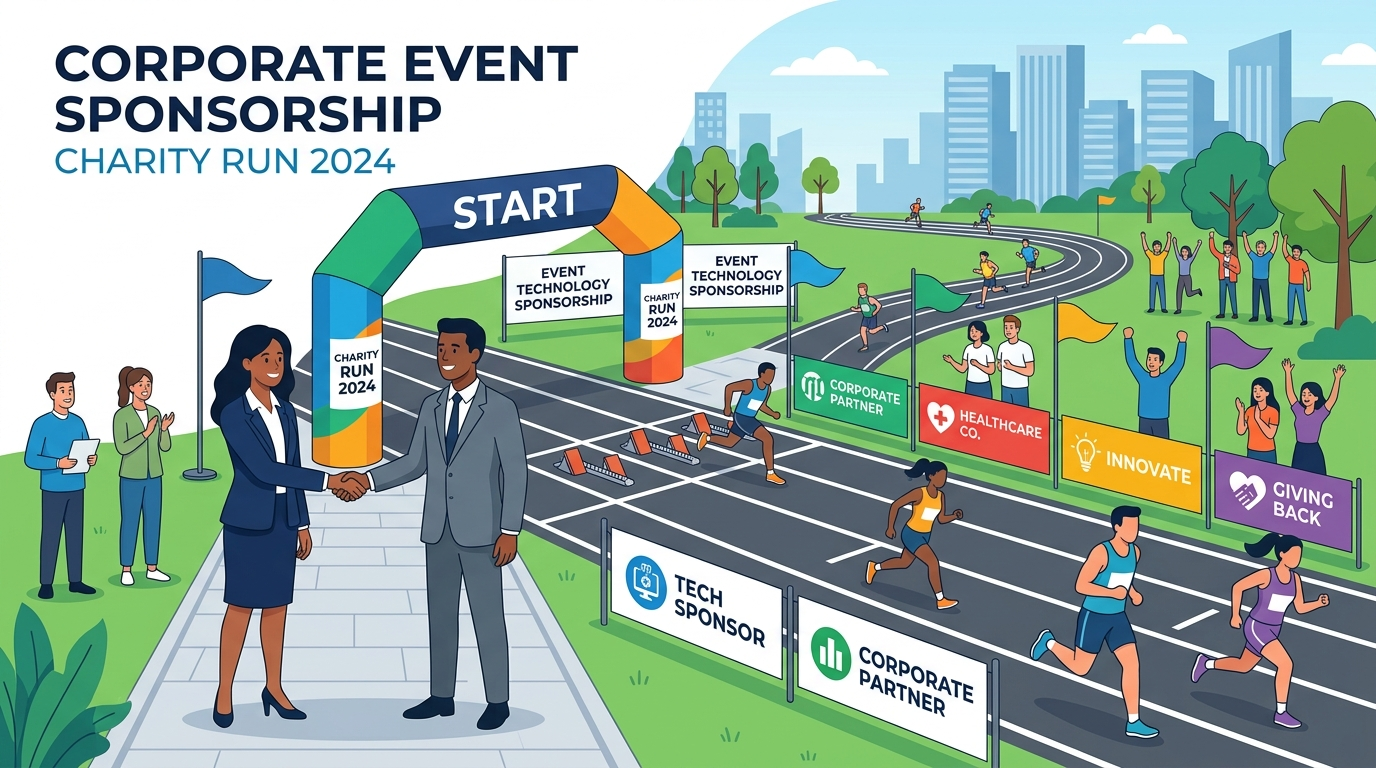
This is your top-tier package, usually limited to a single company. The sponsor’s name is integrated directly into the event title (e.g., “The [Sponsor Name] Annual 5K for Hope”). This tier offers maximum exposure, including prime placement on the race bibs, starting line banners, digital registration pages, and all media outreach.
Major Sponsors (Silver and Bronze Tiers)
These tiers provide solid brand visibility without the premium price of a title partnership. Perks typically include logo placement on the event t-shirt, dedicated social media shoutouts, a physical booth at the race finish line expo, and logo display on the digital registration website.
In-Kind and Mileage Sponsors
Do not underestimate the value of in-kind sponsorships. Local businesses can provide bottled water, healthy snacks, race-day energy bars, printing services, or volunteer t-shirts. In return, you offer them specific logo placements, such as branding the “Water Station 2” or being highlighted as the “Official Nutrition Partner.” This dramatically lowers your overhead costs while providing excellent visibility to local businesses.
Step 2: Leveraging Modern Event Technology to Prove Sponsor ROI
In the past, event organizers promised sponsors that their logos would be printed on t-shirts and displayed on a banner. Today, sophisticated corporate sponsors demand data. They want to know exactly how many people saw their brand, how many digital impressions were made, and how many direct leads were captured.
This is where standard event tools fall short, and where a modern, end-to-end event management platform becomes your greatest fundraising asset. By using a centralized platform like EventHex, you can offer sponsors digital-first, trackable visibility that traditional spreadsheets and simple registration tools cannot provide.
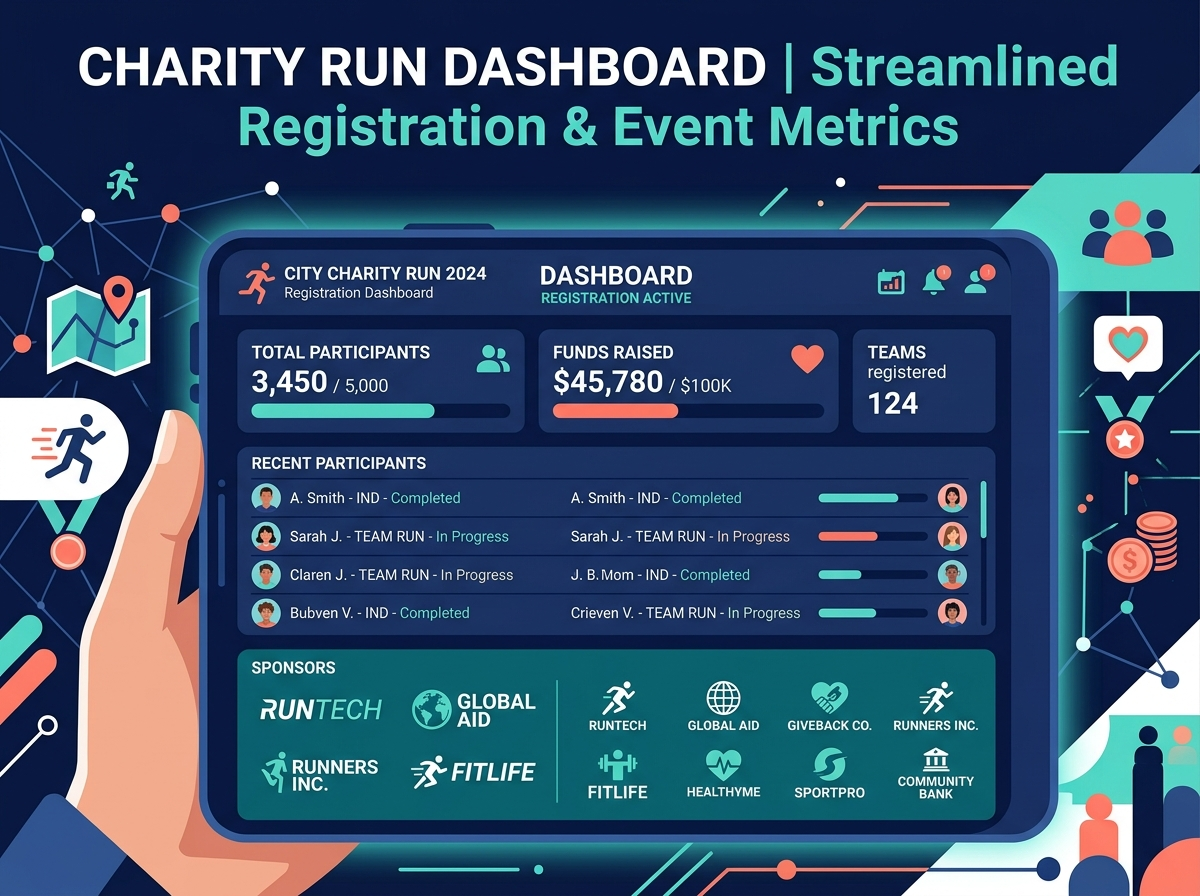
With EventHex.ai, you can immediately elevate your charity run sponsorship pitch by guaranteeing trackable marketing metrics. Here is how you can use modern event technology to supercharge your sponsor benefits:
1. Custom Digital Branding on Registration Portals
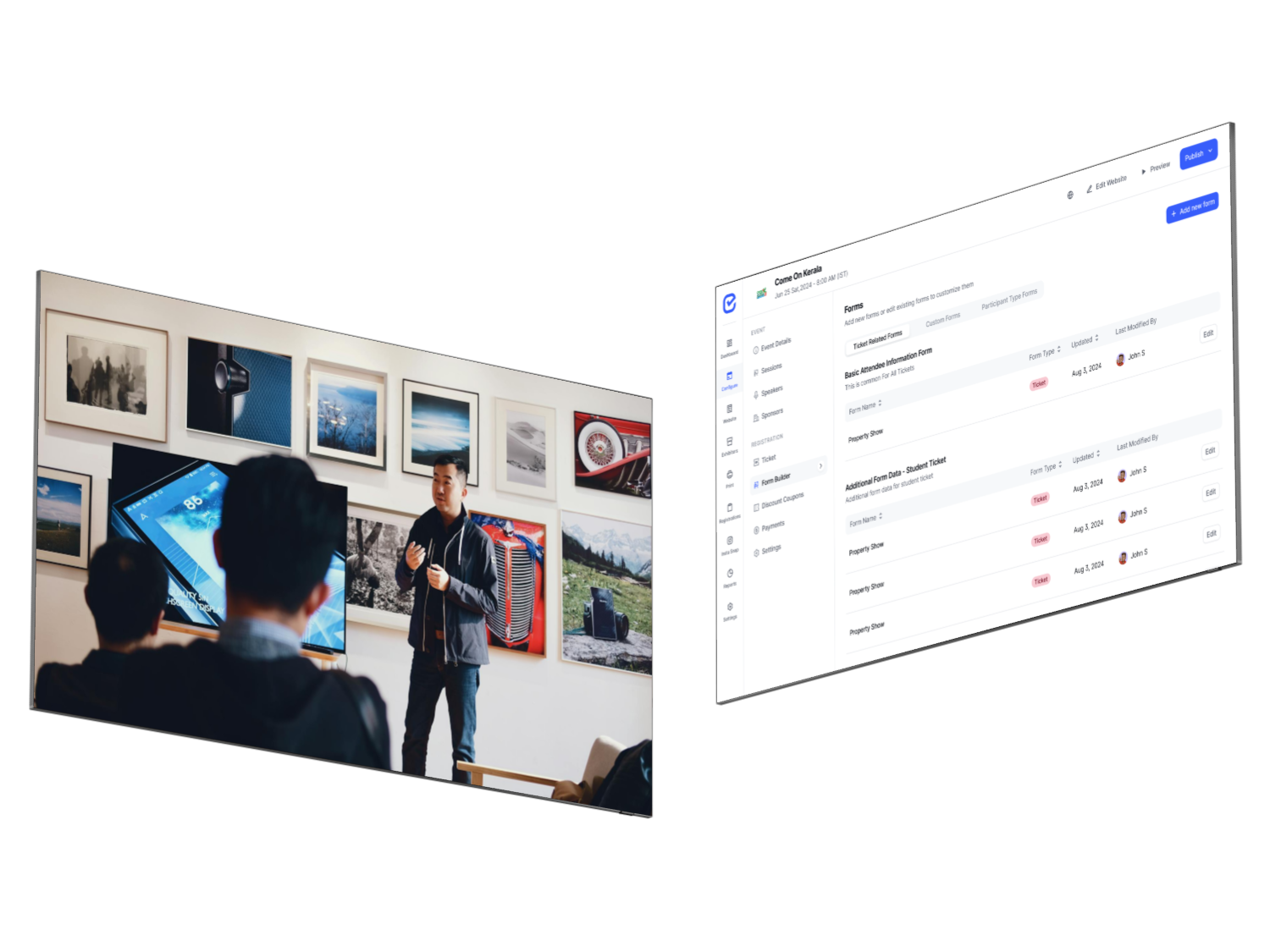
Your event website is the first touchpoint for every single participant, volunteer, and donor. Using EventHex, you can build a stunning, fully branded race website with dedicated sections for your corporate sponsors. Rather than a static logo, you can embed rich sponsor profiles, interactive links, and promotional tracking codes directly on the EventHex Event Registration Page. This gives sponsors direct access to thousands of web visitors and trackable referral traffic before the race even starts.
2. Data-Driven Audience Insights
When pitching to prospective sponsors, you can pull exact registration demographics and visual reports from your EventHex Centralized Dashboard. Show sponsors real-time, aggregated graphs of participant age groups, city distributions, and registration trends. Being able to look a corporate decision-maker in the eye and say, “Our event will place your brand directly in front of 1,200 active homeowners aged 25-45 in your target service area” makes your pitch incredibly professional and highly converting.
3. Custom Badge and Ticket Branding
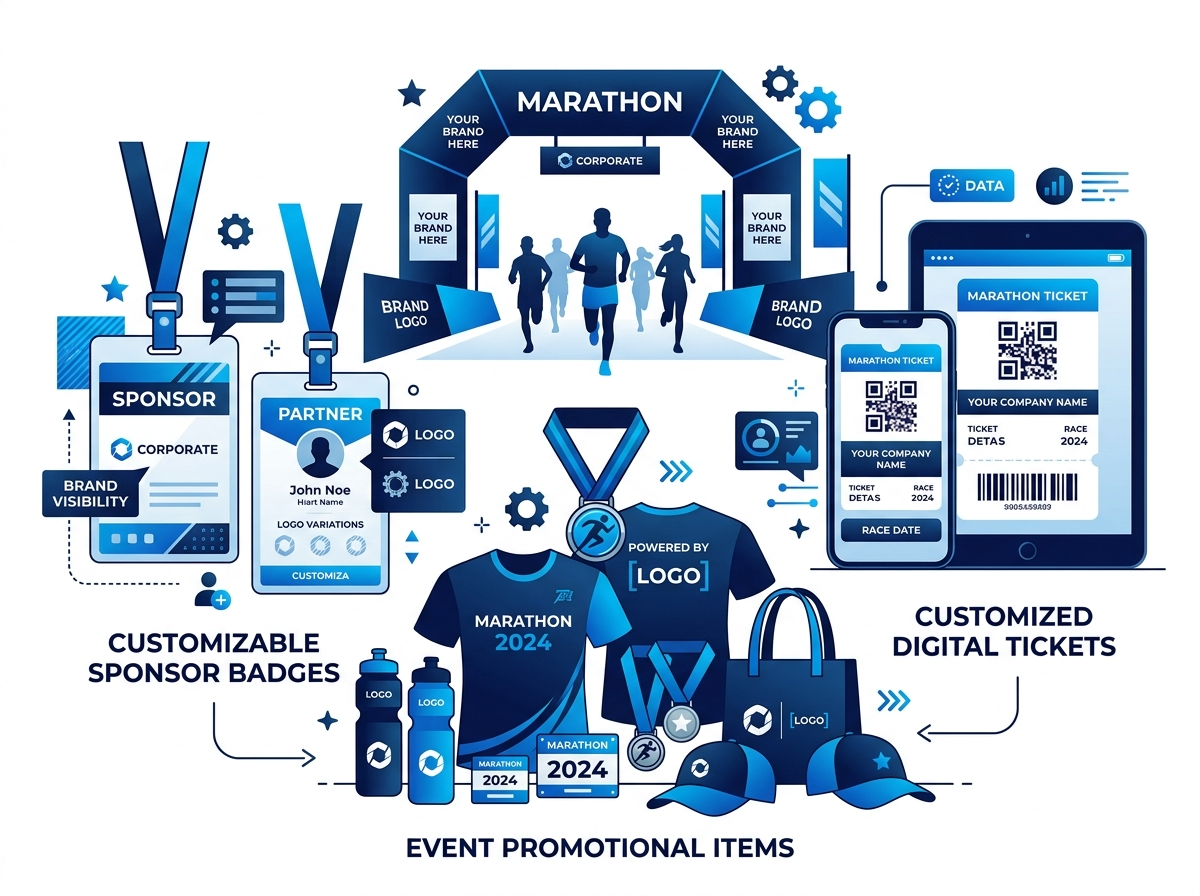
For hybrid or in-person marathons, every participant receives digital tickets, confirmation emails, and physical or digital badges. With EventHex’s advanced badge designer, you can dynamically place sponsor logos, promotional coupon codes, or custom partner advertisements on every single ticket and badge. This ensures 100% visibility, as every participant must interact with these materials to check in on race day.
Step 3: Crafting the Perfect Pitch Presentation and Outreach Letter
Once you have built your structured packages and integrated trackable digital benefits through your event platform, it is time to write your outreach letters and construct your pitch deck.
The Cold Outreach Email Template
Your initial outreach email should be personalized, professional, and concise. It should focus on initiating a warm conversation, not closing the deal instantly. Here is a high-converting outreach template you can customize:
Subject: Partnering with [Charity Name] for the [Race Name] 5K Run

Dear [Sponsor Contact Name],

I hope this email finds you well. I have been following [Company Name]'s incredible work in our local community, especially your recent support for [local cause/initiative], and wanted to reach out regarding an exciting partnership opportunity.

On [Date], we are hosting the [Race Name] Charity Run to support [Charity Cause/Mission]. We expect over [Expected Number] passionate runners, families, and community members to join us this year.

Given [Company Name]'s commitment to health, wellness, and community support, we believe a partnership would be a perfect fit. Through our modern digital registration platform, we can guarantee [Company Name] high-impact local visibility, including over [Estimated Digital Impressions] digital impressions, customized participant badge branding, and direct digital outreach to our community.

We have structured several flexible sponsorship tiers, including water station branding, t-shirt placement, and digital lead-capture booths.

Would you be open to a brief, 10-minute phone call next Tuesday or Thursday to discuss how we can help drive brand awareness for [Company Name] while supporting a great cause?

Thank you so much for your time and consideration.

Warm regards,

[Your Name]
[Your Title]
[Your Organization/Charity Name]
[Your Phone Number / Website Link]
Designing an Authoritative Pitch Deck
If the recipient replies positively, you should send them a highly visual 3-5 page PDF pitch deck. Ensure your pitch deck contains the following slides:
- The Mission & Impact: A brief, emotionally compelling slide about the charity run’s cause and the community impact.
- The Target Audience: Clear charts showing runner demographics, expected turnout, and digital web traffic.
- Digital & Physical Exposure: Visual mockups of where their logo will appear (e.g., registration pages, custom participant badges, finisher t-shirts, social media banners).
- The Sponsorship Tiers: A clear matrix of packages and pricing.
- Next Steps & CTA: An easy path to confirm sponsorship, sign the agreement, and upload their brand assets.
Step 4: Ensuring Seamless Race-Day Execution and Post-Event Reporting
Landing the sponsor is only half the battle; keeping them for the long term requires flawless execution and comprehensive post-event reporting. Many charity run organizers lose sponsors year-over-year because they fail to follow through on their promises or fail to show the final results of the investment.
Fortunately, modern event technology makes satisfying your sponsors incredibly simple. Here is how to lock in your sponsors for next year’s run:
- Real-Time Registration Alerts and Updates: Use your centralized event dashboard to monitor ticket sales and attendee check-ins. Keep sponsors informed of key milestones, such as “We officially hit 500 registered runners today!” This keeps them excited and engaged during the lead-up to the race.
- Flawless Race-Day Check-In: Long lines and disorganized entry reflect poorly on your event and your sponsors. Ensure a rapid, highly professional registration experience using mobile-first check-in. This keeps participant energy high and establishes a premium feel for the entire event.
- Automated Post-Event Impact Reports: Within 48 hours after the race, send a personalized thank-you letter to every sponsor accompanied by an event analytics report. Pull detailed numbers from your dashboard: total registrants, total check-ins, click-through rates on registration site banners, and estimated social media reach. Combine these metrics with high-quality photos of the starting line, race track, and sponsor booths.
When you present a corporate sponsor with a highly polished, professional performance report proving the exact ROI of their marketing dollars, you transition from a “one-off event” to an indispensable annual partner. They will be more than happy to sign up for next year’s event immediately.
Conclusion: Streamline Your Charity Run with EventHex
Successfully pitching corporate sponsorship for a charity run requires a shift from passive donation requests to professional, data-backed marketing partnerships. By understanding the sponsor’s business goals, structuring compelling benefit tiers, and utilizing state-of-the-art event technology, you can elevate your event, secure major sponsors, and maximize your fundraising potential.
Don’t let manual administration, clunky registration forms, and lack of audience insights hold your charity run back. Empower your team, delight your sponsors, and streamline your race planning with the modern, powerful tools of EventHex. Create your free account today and bring your community’s favorite marathon to life!
Frequently Asked Questions (FAQ)
How do I determine the pricing for my charity run sponsorship tiers?
Pricing should be based on your event’s projected overhead costs, target fundraising goals, and the market value of the exposure you are offering. Analyze past attendance, estimated digital impressions, and what similar local events charge. Ensure that your highest-tier presenting sponsorship covers a substantial portion of your fixed race-day costs.
What is the difference between a sponsorship proposal and a pitch deck?
A sponsorship proposal is a comprehensive, text-based document outlining the exact terms, legal agreements, specific tiers, and detailed logistical perks of the partnership. A pitch deck is a highly visual, slide-based presentation used in early-stage meetings to capture interest, tell your charity’s story, and showcase high-level audience demographics and brand exposure mockups.
How can we attract corporate sponsors if this is our very first charity run?
For a first-time marathon, focus heavily on your projected digital reach, target demographic alignment, and local press opportunities. Offer highly customizable, lower-risk packages, such as in-kind food and water sponsorships, or partner with well-known local community figures to build credibility and trust with prospective business sponsors.
How do we handle sponsor logo collection and race-day badge branding?
Manually collecting logos and printing badges is a administrative nightmare. By utilizing a centralized event platform like EventHex, you can manage sponsor assets digitally and automatically generate high-resolution badge layouts featuring your partners’ logos, saving your planning team dozens of hours of design work.