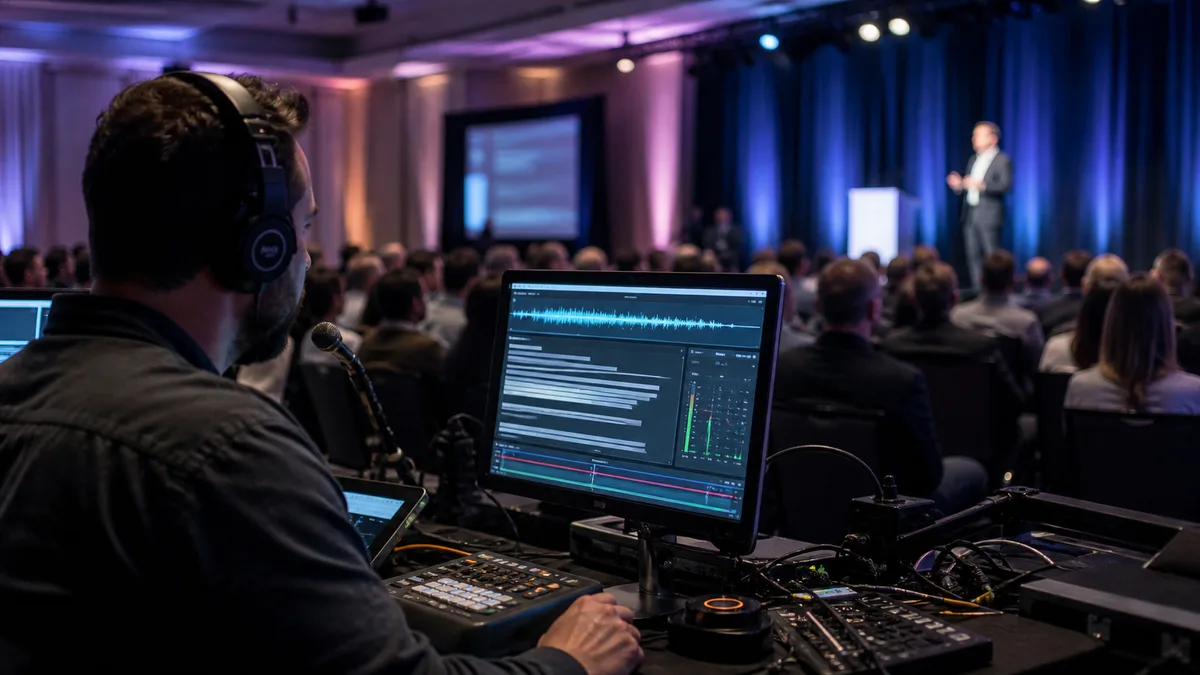
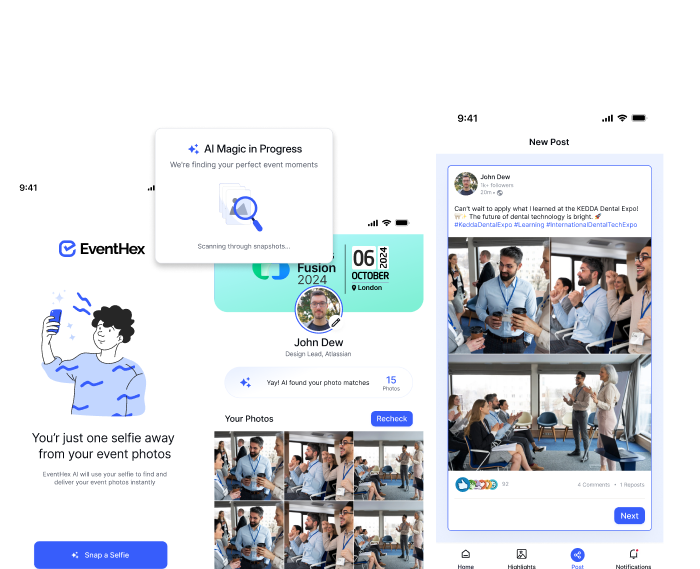
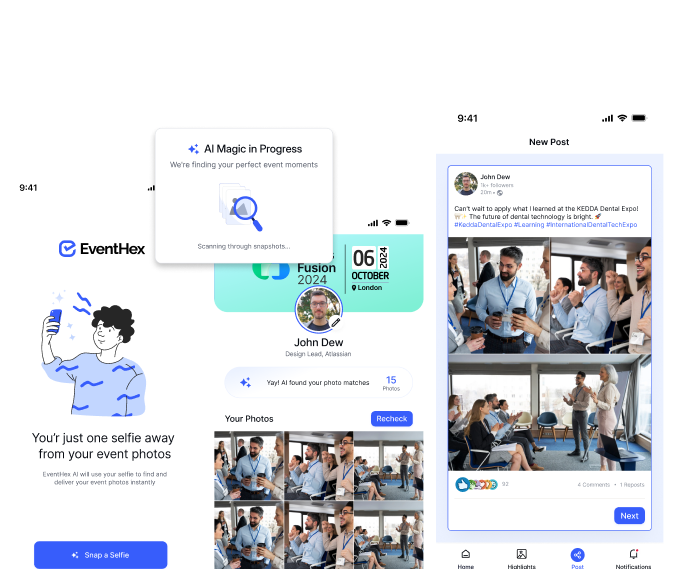
Few sights strike dread into the hearts of event organizers quite like a registration queue winding out the venue doors. In the high-stakes world of corporate conferences, international trade expos, and large-scale summits, first impressions are decisive. An attendee’s journey begins at the registration desk, and starting that journey with a forty-minute wait in a bottlenecked queue instantly degrades their perception of the entire event. It signals operational inefficiency before a single keynote has commenced.
For years, the event management industry has searched for a definitive solution to this recurring logistical nightmare. The answer lies in a simple, highly operational benchmark known as the 5-Second Rule: the operational mandate that from the moment an attendee reaches the registration counter, their credentials must be verified and their physical badge printed and delivered in under five seconds. Achieving this speed requires shifting away from pre-printed badge boxes and embracing modern, on-demand onsite badge printing.
Understanding the Mechanics of the Registration Queue Bottleneck
To solve the check-in bottleneck, we must first diagnose why traditional systems fail. The conventional approach of pre-printing badges weeks before an event and organizing them alphabetically in physical badge boxes is fundamentally flawed. It creates several structural pain points that directly lead to slow throughput and long lines.
1. The Search-and-Retrieve Friction
When an attendee arrives, a staff member must manually ask for their name, search through alphabetical badge trays, locate the correct badge, and hand it over. If an attendee is registered under a nickname, has a double-barreled surname, or is simply not found in the pre-printed stack, the line halts completely. This search-and-retrieve method averages 45 to 90 seconds per attendee. If you have 1,000 attendees arriving within a narrow two-hour window, a 90-second transaction time guarantees massive, unmanageable queues.
2. The Nightmare of Last-Minute Substitutions and Walk-Ins
In B2B events, up to 15% of registrations involve last-minute changes: corporate ticket substitutions, spelling corrections, or on-site walk-ins. When using pre-printed badges, handling these changes requires staff to manually type names into standalone label printers, hand-write on blank badges, or search through excel sheets. This completely breaks the flow of the registration desk and increases the average processing time for that desk to several minutes, backing up everyone behind them.
3. Hardware Fragility and Slow Printing Speed
Many event planners attempt on-site printing but use inadequate hardware. Standard inkjet or laser printers are painfully slow, requiring 15 to 30 seconds per sheet. They are prone to paper jams, require frequent toner replacements, and necessitate manual cutting or folding of badges. Every second added by slow hardware increases the queue size exponentially.
4. Venue Wi-Fi Dropouts and Connectivity Issues
Most registration platforms rely entirely on a continuous, high-speed internet connection to sync attendee data and trigger prints. However, convention centers and hotel ballrooms are notorious for unreliable Wi-Fi. When thousands of attendees connect to the venue network simultaneously, registration laptops often lose connection to the cloud database, rendering on-site printing systems completely useless and forcing staff back to manual paper lists.
How On-Site Thermal Badge Printing Solves the Bottleneck
To bypass these bottlenecks and achieve the 5-second rule, event technology has transitioned to high-speed thermal on-demand printing. This approach relies on a simple, elegant workflow: Scan, Print, Go.
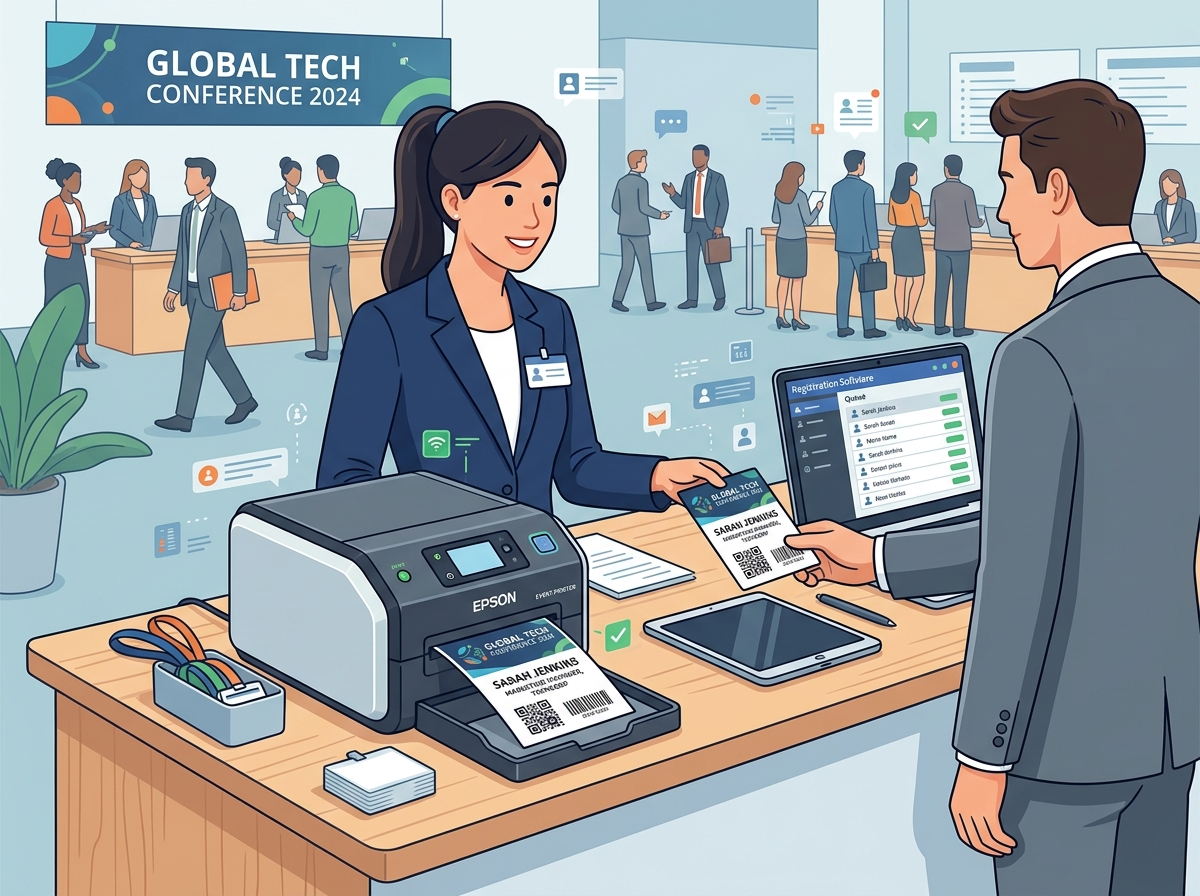
Instead of pre-printing, every attendee receives a confirmation email containing a personalized, high-density QR code prior to the event. Upon arrival at the venue, the attendee scans this QR code at a registration desk or a self-service kiosk. The scan immediately triggers a high-speed direct thermal printer, which outputs a professional, customized badge in less than two seconds. The attendee inserts the badge into a pouch or clips it to a lanyard and walks in.
This paradigm shift offers immense practical benefits for event operations:
- Instantaneous Processing: By automating the lookup process with a QR code scan and utilizing fast thermal printers, the total transaction time is cut to under 5 seconds. Staff do not need to search through alphabetical lists or ask for spelling; the scanner handles verification instantly.
- Flawless Last-Minute Changes: Because badges are printed dynamically, any spelling error or ticket substitution can be updated in the central system and printed immediately. There are no wasted pre-printed badges, and on-site walk-ins can register, pay on their mobile devices, and print their badge on the spot with zero friction.
- Elimination of Paper and Badge Waste: Pre-printing badges inevitably leads to substantial waste, as a portion of registered attendees always fail to show up. On-site printing ensures you only print badges for people who actually cross the threshold, drastically reducing badge, lanyard, and paper waste.
- Industrial-Grade Reliability: Direct thermal printers (such as those from Zebra, Brother, or Epson) use heat instead of ink or toner. This means there are no ink cartridges to run out, no printheads to clog, and no ribbon jams. They are built for continuous, high-volume operations under stressful, fast-paced conditions.
The Blueprint for a Friction-Free Check-In Desk
Implementing the 5-second rule requires more than just buying a printer; it demands an optimized operational blueprint that coordinates software, hardware, venue layout, and staff training into a seamless, high-performance machine.
1. High-Density QR Codes and Pre-Event Communication
Frictionless check-in begins days before the event. Clear pre-event emails must be sent, explicitly instructing attendees to have their check-in QR code ready on their smartphones or printed out. High-density, fast-scanning QR codes should be placed prominently at the top of the email so they can be read instantly by scanners, even through cracked phone screens or low brightness levels.
2. The Hardware Configuration: Direct Thermal over Inkjet
Always utilize dedicated direct thermal badge printers for high-speed onsite badge printing. Inkjet printers are too slow, and laser printers are too bulky. Direct thermal printers use chemically treated paper that blackens when heat is applied, enabling exceptionally fast, quiet printing with a zero-maintenance mechanical structure. A typical thermal printer can output a 4×3-inch badge in 1.5 seconds flat.
3. Floor Plan and Traffic Flow Optimization
The physical layout of your registration area must prevent crowding. Implement a clear queue management system with stanchions. Ensure there is ample space before the registration desks for attendees to pull up their QR codes. Separate the registration desks into distinct zones: “Pre-Registered Check-In” for the vast majority of attendees, and a separate, dedicated “Help Desk / On-Site Registration” zone. This ensures that any attendee with complex ticketing issues, substitutions, or payments is directed out of the main flow, keeping the high-speed check-in lines moving continuously.
4. Offline Mode and Local Sync Redundancy
To protect your event from venue Wi-Fi dropouts, your check-in software must feature an advanced, robust offline mode. The software should download the entire attendee database locally to the registration laptops or local servers. Scans and check-ins should occur against this local database in real-time, with background syncing to the cloud whenever a connection is available. If the venue Wi-Fi goes down entirely, your registration desks will continue printing badges at full speed without a single second of interruption.
Introducing EventHex: The Frictionless Modern On-Site Printing Solution
To execute the 5-second rule flawlessly, organizers require an all-in-one event technology stack that seamlessly bridges the gap between registration data and physical printing hardware. This is where EventHex excels.
EventHex provides an elegant, end-to-end platform built specifically to handle the intense logistics of modern event credentialing, registration, and on-site operations.
A Drag-and-Drop Visual Badge Designer
At the heart of the platform is the EventHex Badge & Certificate Designer. Instead of wrestling with complex graphic design software or rigid templates, organizers can use an intuitive drag-and-drop visual editor to design professional badges from scratch or choose from over 50 pre-designed templates. You can easily map dynamic data fields—such as attendee names, companies, job titles, and ticket types (e.g., VIP, Speaker, General Admission)—directly onto the badge layout. EventHex automatically generates and places unique check-in QR codes on every badge, ensuring they are perfectly positioned for rapid scanning.
Deep Hardware Compatibility
EventHex is designed to work seamlessly with over 50 popular thermal and inkjet printer models, including industry-standard brands like Zebra, Brother, and Epson. The platform’s print drivers are highly optimized to minimize latency, ensuring that the delay between a successful scan and the start of printing is virtually instantaneous.
Self-Service Kiosk Mode
For high-volume expos and trade shows, EventHex offers a dedicated self-service kiosk mode. This interface allows attendees to approach an iPad-based kiosk, scan their pre-event QR code, and print their own badge without needing staff assistance. This effectively multiplies your registration capacity while keeping staffing costs low.
Centralized Real-Time Operations
All on-site operations are controlled through the EventHex Centralized Dashboard. This real-time dashboard provides organizers with live metrics on check-in rates, peak arrival times, active printer queues, and remaining paper stock. If a printer runs low on paper or experiences an issue, the dashboard alerts the on-site support team immediately, preventing any desk downtime.
Comparing Check-In Methods: A Data-Driven Analysis
To demonstrate the dramatic impact of transitioning from traditional methods to modern on-site printing, let’s look at a head-to-head performance comparison of different registration workflows:
| Operational Metric | Traditional Pre-Printed Badges | Standard On-Site Inkjet Printing | EventHex On-Site Thermal Printing |
|---|---|---|---|
| Average Processing Time | 45 – 90 seconds | 25 – 40 seconds | < 5 seconds |
| Attendees Processed per Desk / Hour | 40 – 80 | 90 – 144 | 720+ |
| Error & Substitution Handling | Manual / Handwriting (Slow, unprofessional) | Reprinting full sheet (Slow, wastes paper) | Instant on-site update & reprint (1.5s) |
| Badge & Paper Waste | High (15% – 25% unused badges thrown away) | Medium (Wastes partial sheets of paper) | 0% (Only print for checked-in attendees) |
| Staff Required for 1000 Attendees | 8 – 12 staff members | 5 – 7 staff members | 2 – 3 staff (or self-service kiosks) |
| Vulnerability to Wi-Fi Outages | None (Using manual physical boxes) | High (Requires continuous cloud connection) | Zero (Robust local database offline mode) |
The data is clear: by implementing EventHex’s on-site thermal badge printing system, you can process more than 720 attendees per hour per desk, compared to just 40 to 80 using traditional alphabetical badge boxes. This massive increase in throughput completely eliminates queues, reduces required on-site staff by up to 75%, and ensures a flawless, professional check-in experience.
Conclusion: The Future of Event Entry is Dynamic
The days of pre-printing badges, digging through alphabetical boxes, and apologizing for long registration queues are over. In the modern event landscape, speed, efficiency, and professional delivery are non-negotiable. By embracing the 5-Second Rule and equipping your registration desks with EventHex’s on-demand onsite badge printing technology, you turn a notorious logistical headache into a seamless, high-tech welcome experience.
Ready to completely eliminate registration queues at your next event? Book a free demo with the EventHex team today, and discover how our visual badge designer and high-speed on-site printing solutions can transform your attendee experience.
Frequently Asked Questions (FAQ)
What is on-site badge printing?
On-site badge printing is an event registration workflow where attendee badges are printed on-demand at the venue upon arrival, rather than being pre-printed weeks in advance. It typically involves scanning a pre-event QR code sent to the attendee, which instantly triggers a high-speed printer to output their customized credential.
Why is thermal printing preferred over inkjet for event badges?
Thermal printing is significantly faster (printing a badge in 1.5 seconds) and highly reliable because it uses heat instead of ink or toner. This eliminates common printer issues like clogged nozzles, ink smudging, paper jams, and running out of toner mid-event. Direct thermal printers are compact, robust, and built specifically for heavy operational use.
How does EventHex handle offline printing if the venue Wi-Fi drops out?
EventHex features a robust offline mode. The entire attendee database is synced locally to the on-site registration computers or local servers before the event begins. Scans and printing are handled locally, completely independent of the venue’s internet connection. Once Wi-Fi is restored, the system automatically syncs check-in data back to the cloud dashboard.
Can we print custom badges for different ticket tiers (e.g., VIP, Speaker)?
Yes, absolutely. With the EventHex visual drag-and-drop designer, you can create multiple badge templates or customize a single template with dynamic rules. The system automatically reads the attendee’s ticket tier from your registration data and prints their corresponding badge layout, colors, or access permissions instantly.
What printer models does EventHex support?
EventHex is compatible with over 50 popular printer models, including high-speed direct thermal printers from industry leaders like Zebra, Brother, Epson, and Dymo, as well as standard inkjet and laser printers.
Does EventHex support self-service kiosks?
Yes. EventHex features a dedicated, intuitive kiosk mode designed for iPads or touchscreens. Attendees can simply walk up to a kiosk, scan their pre-event QR code, and print their own badge in under 5 seconds, reducing staffing requirements and wait times.