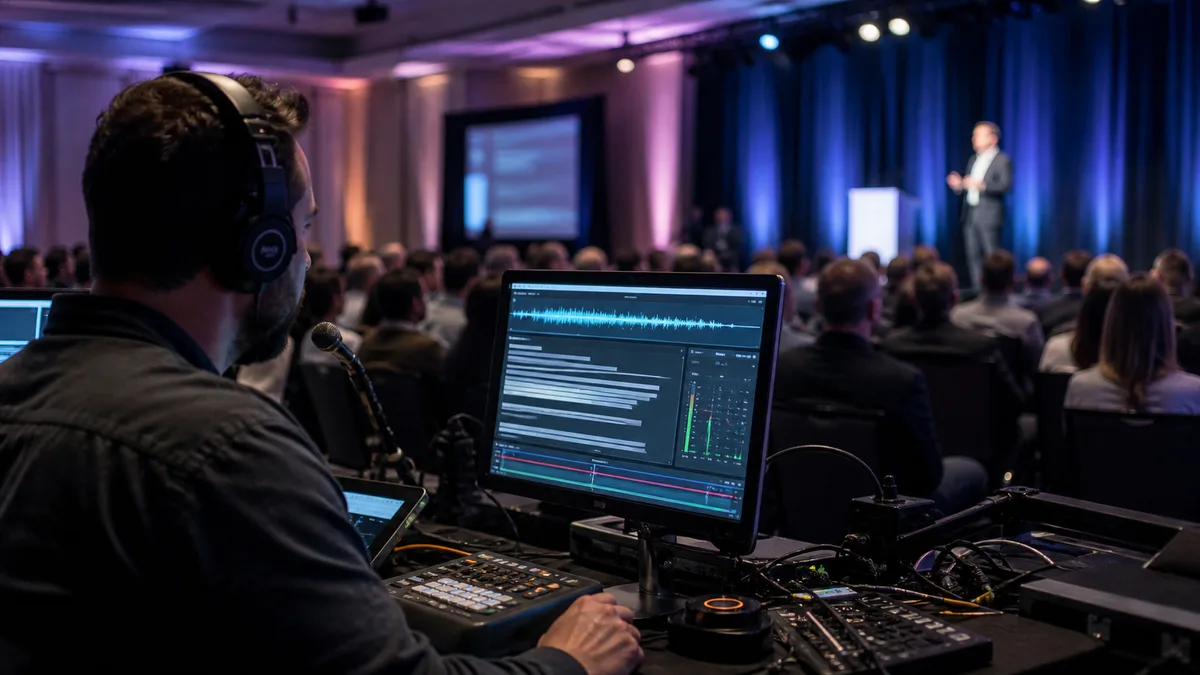
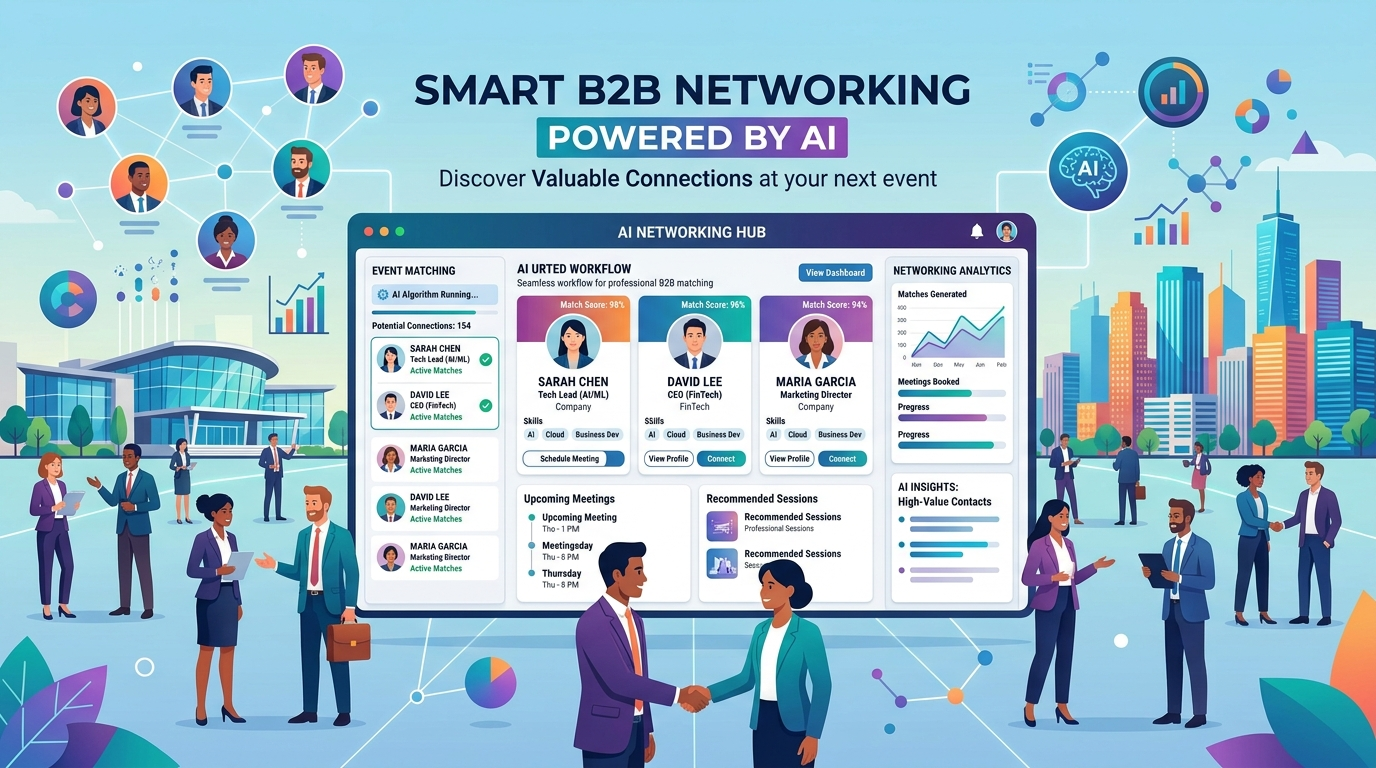
Imagine managing a large-scale industry summit with over 50 event speakers. What begins as a structured plan quickly devolves into an administrative nightmare. Your inbox is flooded with half-completed speaker bios, missing headshots, outdated PowerPoint files, and contradictory AV requests. Meanwhile, your master tracker spreadsheet becomes a minefield of copy-paste errors, broken cell formulas, and conflicting edits from multiple staff members. One wrong keystroke, and a keynote presenter is double-booked on two different stages at the same time.
This is the harsh reality of “spreadsheet chaos” that plagues event organizers globally. Juggling registration logistics alongside intricate speaker schedules is unsustainable. When coordinates scale beyond 50 speakers, relying on manual trackers, static documents, and email templates is a recipe for missed deadlines, communication breakdowns, and team exhaustion. To deliver an exceptional event experience, modern conference organizers are transitioning to dedicated speaker management software. This guide details exactly how to manage speaker logistics at scale, eliminate manual data entry, and establish a centralized workflow.
The Multi-Pronged Friction of Speaker Management
Why does speaker coordination fall apart so easily? It is because managing speakers is not a single administrative task, but a complex, non-linear lifecycle. The workflow spans from initial abstract collection and selection, through file collection, to schedule coordination, live-day logistics, and post-event summaries. A breakdown in any single phase triggers a domino effect across the entire conference.
The Inbox Inundation
On average, every speaker requires 5 to 7 touchpoints prior to the event (collecting headshots, verifying bio text, scheduling checks, checking technical specifications, confirming slides, and signing releases). When scaled to 50 speakers, this yields over 300 emails. Sifting through these messages to extract attachments, copy text into a master spreadsheet, and upload assets to shared cloud drives consumes countless valuable organizer hours.
The Schedule Conflict Minefield
Drafting an agenda with multiple stages and concurrent sessions is highly complex. If a speaker is presenting on a keynote stage and participating in a panel later that afternoon, manual tracking leaves room for overlap. Spreadsheets lack native logic to flag when a speaker has been scheduled in two separate rooms simultaneously, or when they are assigned back-to-back sessions on opposite sides of a vast convention center.
The Slide Version Control Trap
Speakers routinely send last-minute edits to their presentation decks. Tracking which PPTX file is the absolute latest version inside a chaotic email chain—and ensuring that specific file is loaded onto the correct presentation laptop on-site—is highly error-prone. A single version mix-up can lead to embarrassing presentation errors on stage.

Transitioning from Spreadsheets to a Centralized Portal
To overcome this complexity, organizers are replacing spreadsheets with dedicated software that automates administrative tasks. Instead of chasing speakers via manual emails, organizers use self-service portals to keep information consolidated and secure. The core features of a professional system include:
- Self-Service Speaker Portals: A personalized login where speakers upload their bios, high-resolution headshots, slide decks, and dietary preferences directly. The system monitors outstanding items and automatically triggers automated reminders as deadlines approach.
- AI-Powered Data Extraction: Entering bio data manually is incredibly slow. Leading-edge solutions let organizers paste a LinkedIn URL to auto-populate the speaker’s name, current job title, company name, bio text, and profile picture in seconds.
- Collaborative Abstract Evaluation: Reviewing submissions via emails and spreadsheets is inefficient. Speaker platforms provide structured scoring rubrics, blinded reviews, and automatic progress tracking for select committees.
By shifting to an organized, portal-driven workflow, event teams eliminate tedious copy-paste work and ensure a single, consistent source of truth. This approach forms the foundation of modern event registration and management solutions.
Visual Timelines and Drag-and-Drop Scheduling
Once speaker materials are safely collected, the next major challenge is agenda building. Designing a cohesive schedule across multiple days, stages, and session types is highly complex. Modern speaker software resolves this with interactive, visual interfaces.
Instead of manually typing times into spreadsheet cells, organizers use visual, color-coded timelines to coordinate stages. Need to move a session from 10:00 AM to 2:00 PM? You can drag and drop it into the new slot. The software immediately runs conflict checks, ensuring the speaker is free and the venue is not double-booked. It can even restrict specific sessions to VIP ticket holders with set capacity limits, keeping the agenda aligned with event registration and ticketing tiers.
Bridging the Gap: Live-Day Engagement and Automated Recaps
Speaker management does not end when the conference starts; it extends through the live event day. Once your speakers are scheduled, you need tools to help them engage their audience and capture session insights. Traditional events treat sessions as static, passive presentations, but modern platforms build engagement directly into the speaker workflow.
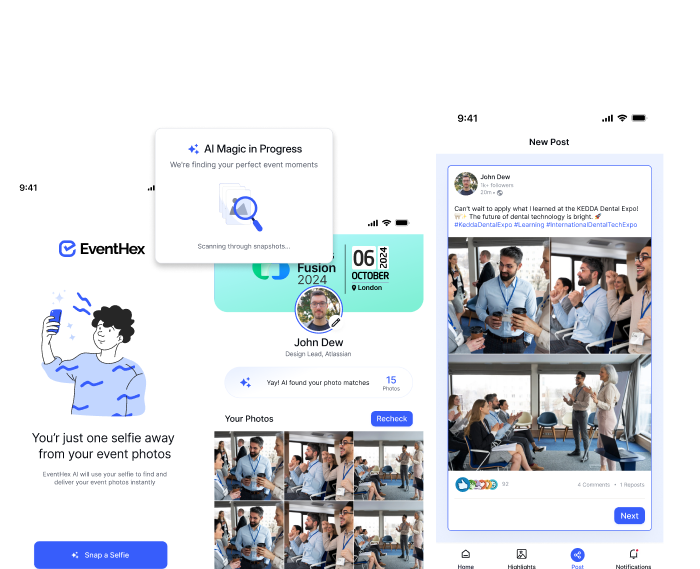
Using interactive tools, speakers can launch live audience polls and address upvoted attendee questions directly from their phones. Once the session ends, the platform gathers attendee feedback and star ratings automatically. Advanced systems even handle session transcription and summarize key takeaways in multiple languages. This ensures organizers capture valuable event data without manual recording and manual recap generation, managed through a cohesive centralized organizer dashboard.
EventHex: The Modern Solution for Speaker Management
If you are ready to eliminate spreadsheet chaos and upgrade your speaker workflow, EventHex offers an advanced, AI-powered platform tailored for event organizers. From initial speaker setup to scheduling and live engagement, EventHex combines these tools into one seamless interface.
With features like AI LinkedIn import, interactive drag-and-drop timeline scheduling, live polls, Q&A, and InstaRecap summaries, EventHex helps your team save up to 85% of coordination time. Stop drowning in inbox clutter and manual tracking—discover how EventHex can elevate your speaker coordination and simplify your next major conference.
Frequently Asked Questions
What is speaker management software?
Speaker management software helps event organizers centralize all speaker-related tasks. This includes collecting bios and photos, scheduling sessions across multiple stages, automating email communication, and engaging audiences with live event tools like polls and Q&A.
How does the AI LinkedIn import feature work?
Simply paste a speaker’s LinkedIn profile link into the dashboard. The built-in AI automatically extracts their name, current job title, company, bio text, and profile photo, eliminating up to 90% of manual data entry.
Can I manage multiple stages and sessions?
Yes. EventHex supports unlimited sessions across multiple stages and venues. You can use the visual timeline to build schedules, design breakouts, set capacity limits, and rearrange sessions using drag-and-drop conflict detection.