
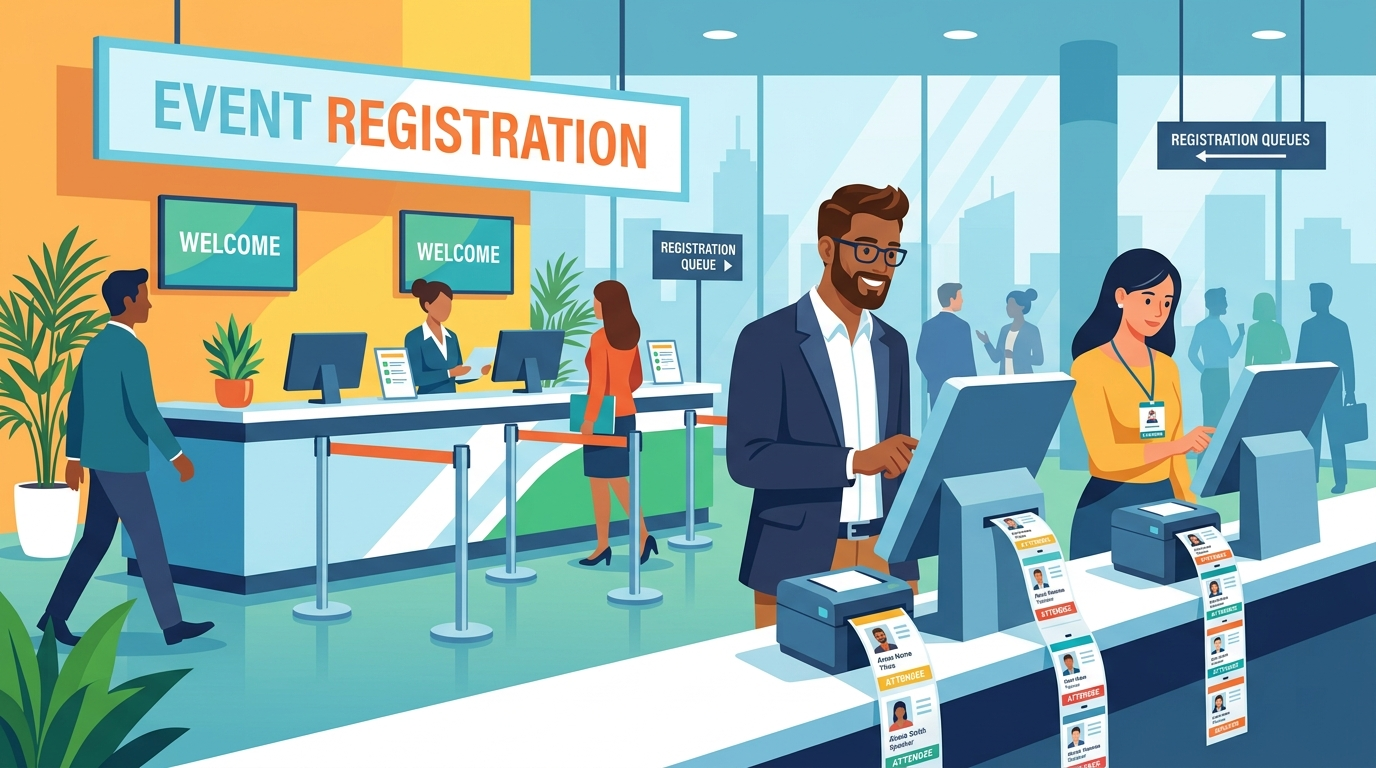
Imagine this scenario: it is 8:15 AM on the opening day of a major annual conference. Over 5,000 corporate executives, sponsors, and speakers are funneling through the venue gates. The atmosphere is tense, and energy is high. Suddenly, the check-in line halts. A printer jam at one kiosk has caused a backlog. Staff members frantically click “reprint” on their tablets, only for the network to stutter, resulting in five copies of the exact same badge popping out across different terminals minutes later. Meanwhile, an attendee who registered on the ride to the venue arrives at the check-in desk, but because the local server hasn’t synced with the cloud, they are told their record does not exist. Desperate to resolve the issue, the front-desk staff registers them as a fresh walk-in, inadvertently generating a duplicate profile and a second badge.
For high-volume conferences, badge printing is not a simple logistical checkbox—it is the first, most critical touchpoint of the entire event experience. If your chosen event badge printing software is unreliable, the cracks show immediately. Beyond long queues and frustrated attendees, duplicate badge printing drains resources, ruins data integrity, and creates severe security risks at the gate. The battle against duplicate prints can only be won by modernizing your onsite credentialing strategy and selecting enterprise-grade event badge printing software engineered specifically for high-volume, high-stakes environments.
The Hidden Costs of Badge Duplication in Enterprise Events
Why do duplicate prints happen, and why are they so damaging? Most event organizers underestimate the downstream impact of poor check-in workflows. Let’s break down the severe costs associated with duplicate badges, and why selecting the right event badge printing software is essential for modern organizers:
- Wasted Premium Hardware and Consumables: High-volume, high-quality badges often use thick cardstock, plastic cards, or eco-friendly composite materials paired with thermal ribbons or direct inkjet systems. Running inefficient id badge printing services that wastefully print two, three, or four copies of VIP or standard badges can quickly escalate printing costs. Over an event program of multiple regional conferences, these small inefficiencies compound into thousands of dollars of unbudgeted expenses.
- Data Fragmentation and Silos: When network synchronization lags, onsite staff frequently resort to manual registration overwrites or emergency offline forms. This creates duplicate profiles for the same attendee, fracturing their engagement data and making downstream analysis a nightmare. The marketing operations team is left with two distinct records for ‘Jane Doe,’ making email marketing and sales follow-up highly complicated.
- Loss of Trust with Sponsors and Exhibitors: Lead generation is a top priority for sponsors. When exhibitors scan duplicate badges or invalid QR codes, they capture corrupted data. If sponsor lead quality is poor, measuring return on sponsorship becomes impossible. Sponsoring brands expect clean, accurate data, and having unreliable event badge printing systems directly undermines the event’s financial viability.
- Severe Security and Access Control Risks: In high-security enterprise conferences, badges represent credentials. If multiple identical badges are active, unauthorized people can easily gain access to restricted areas like VIP sessions, private lounges, or exhibition halls. A duplicate badge represents an unmonitored security leak that compromises venue control and violates attendee safety protocols.
To prevent these operational bottlenecks, event technology must be designed with data integrity, real-time sync, and offline resilience at its core. When planning high-volume conferences, event technology cannot be treated as a set of disconnected parts. The registration engine, the onsite check-in software, and the physical printers must communicate as a single cohesive ecosystem. Without a synchronized infrastructure, even the most expensive hardware will fail under the weight of high attendee volumes.
Furthermore, duplicate prints disrupt the flow of real-time event analytics. Modern event organizers rely on live dashboards to monitor session attendance, track peak check-in hours, and deploy staff to high-congestion areas. If your badge software is outputting duplicates, these metrics become heavily skewed. For instance, if 500 duplicate badges are printed, your system may report 500 more active attendees than are actually in the building. This inaccurate data makes it incredibly difficult for organizers to make informed decisions onsite, such as optimizing catering orders, managing room capacities, or providing accurate headcounts to venue safety officers.
Key Software Features to Defeat the Duplicate Print Cycle
To eliminate duplicate badge prints at your next conference, look for event badge printing software that features the following technical capabilities:
1. Real-Time Cloud-to-Edge Sync with Local Offline Fallbacks
High-volume conferences are dynamic. Attendee registrations are continually updating in the cloud, while check-in kiosks query records locally at the venue. To prevent duplicates, your event badge printing software must support a bidirectional, cloud-to-edge synchronization architecture. When a badge is printed at any check-in station, that specific print job must instantly update in the database to prevent duplicate requests. If internet connectivity drops onsite, the system must seamlessly transition to an offline local server mode, queueing print jobs and syncing them back to the cloud the moment the network is restored.
2. Intelligent Printer Queue Management
A major cause of duplicates is the “impatient double-click” by onsite staff when a printer jams or network latency stalls a print job. Modern badging software includes intelligent print queue status monitoring. This system ensures that print tasks are locked, preventing duplicate badges from being queued or routed to alternate printers without admin override. By treating every print request as a secure, transactional API call, the software ensures that a print signal is executed exactly once per unique registration record, regardless of hardware delays.
3. Unified Attendee Registration Integration
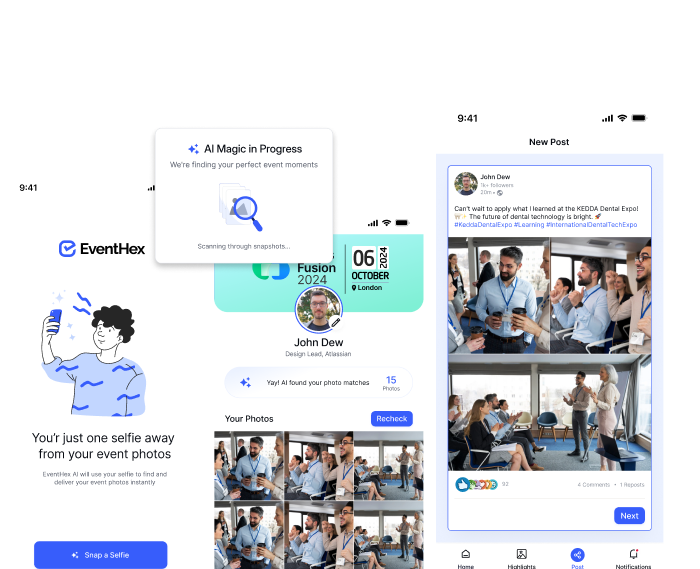
Sourcing your registration platform and badge printing software from separate vendors often leads to sync delays. A unified platform solves this. When attendee registrations flow into a unified system like the EventHex Event Registration Platform, the badge designer immediately inherits the record. Changes made in the portal are reflected on the badge in real-time without manual CSV exports. This bidirectional flow of data ensures that when an attendee updates their job title or company name on their phone, the change is instantly reflected at the kiosk terminal.
This integration also helps to manage last-minute ticket transfers. In major business summits, it is highly common for a registered executive to transfer their ticket to a colleague the morning of the event. If your badge designer is disconnected from the registration platform, the colleague will arrive at the kiosk only to find the original attendee’s name on the badge, leading to manual reprints, database clutter, and eventual duplication. With a unified registration and check-in system, ticket reassignments are updated globally in real-time, allowing the correct name to print instantly at the gate.
EventHex: Sourcing the Ultimate Badge Printing Solution
When high-volume event organizers evaluate technology, they need a partner that understands the complexity of large-scale event programs. EventHex provides a powerful, visual, and highly scalable badging solution designed to win the battle against duplicate prints.
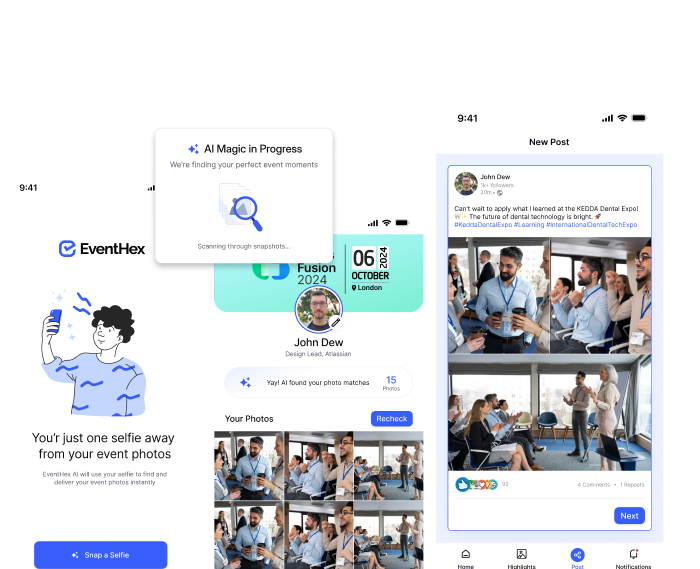
EventHex features a visual, drag-and-drop Badge and Certificate Designer. It enables teams to visually build professional badges using over 100 templates or design from scratch. The visual editor supports adding brand colors, sponsor logos, auto-generated QR codes, and dynamic data fields that automatically populate attendee details upon arrival. Organizers can customize separate layouts for VIPs, speakers, media, and general attendees, ensuring clear visual identification across different venue zones. This direct connection makes it the premier choice for event name badge printing and comprehensive conference badge printing.
For onsite operations, EventHex provides an ultra-fast check-in workflow. Attendees arrive and scan their unique QR codes at self-service kiosks, triggering an instant on demand badge printing sequence in under 5 seconds. The platform’s direct integration with over 50 thermal printer models (including Zebra, Brady, and Dymo) ensures robust hardware performance under pressure. By locking the check-in record immediately upon the QR scan, EventHex completely eliminates the risk of accidental duplicate prints, maintaining data integrity across the entire event lifecycle. Furthermore, the EventHex Centralized Dashboard allows organizers to monitor live print queues, track real-time check-in counts, and manage printer status from a single, intuitive interface.
Beyond the software, EventHex brings peace of mind to corporate planners. By offering professional onboarding support and a robust pre-event hardware testing routine, the platform ensures that your onsite teams are ready for the opening-day rush. Instead of spending hours troubleshooting connections or manually correcting database entries, your team can focus on what they do best: delivering an exceptional experience for your guests, partners, and key sponsors.
How to Optimize Your Onsite Badging Workspace
Even the best software can underperform if your onsite layout is poorly planned. Consider these operational best practices for high-volume conferences:
| Operational Pillar | Strategic Action | Primary Benefit |
|---|---|---|
| Kiosk Separation | Group self-service kiosks by ticket tier or attendee type (e.g., General Admission, VIP, Speakers). | Reduces traffic bottlenecks and ensures high-priority attendees receive tailored, premium service. |
| Local Server Failover | Deploy local edge hardware that mirrors database changes even during full internet blackouts. | Prevents check-in downtime and eliminates the need to manually re-enter walk-in registrations. |
| Dedicated Walk-In Lanes | Isolate onsite registrations from pre-registered attendees. Use the EventHex Main Event Portal for onsite self-registrations. | Prevents manual walk-in registrations from causing queue delays or record duplication at check-in stations. |
In addition to these structural configurations, staff training is an essential component. Onsite check-in teams should be trained specifically on printer management, ribbon replacement, and how to use the centralization software to verify records before re-queueing a print task. This combination of powerful technology, optimized physical design, and proper team coordination ensures a flawless, zero-friction entrance experience for every single guest.
Finally, your onsite network infrastructure must be carefully engineered. High-volume events often suffer from wireless congestion due to thousands of mobile phones searching for signals in a confined space. Relying purely on venue Wi-Fi for your check-in terminals is a recipe for latency and sync failures, which lead directly to duplicate prints. To eliminate this risk, best-in-class organizers use wired ethernet connections for all primary check-in kiosks and local printers. By securing a dedicated, hardwired local network, you ensure that check-in signals travel with absolute reliability, maintaining perfect synchronization even under peak congestion.
Frequently Asked Questions
How does event badge printing software prevent duplicate badges?
Can I edit attendee information onsite and reprint badges instantly?
What happens if the venue’s internet connection fails?
What types of printers are supported by EventHex badge software?
Conclusion: Operational Maturity Starts at the Gate
Onsite event badge printing is more than a minor operational detail—it is a critical foundation of data integrity and attendee experience. Choosing modern, high-performance event badge printing software with real-time sync, offline failovers, and robust queue management is essential for running successful, high-volume conferences.