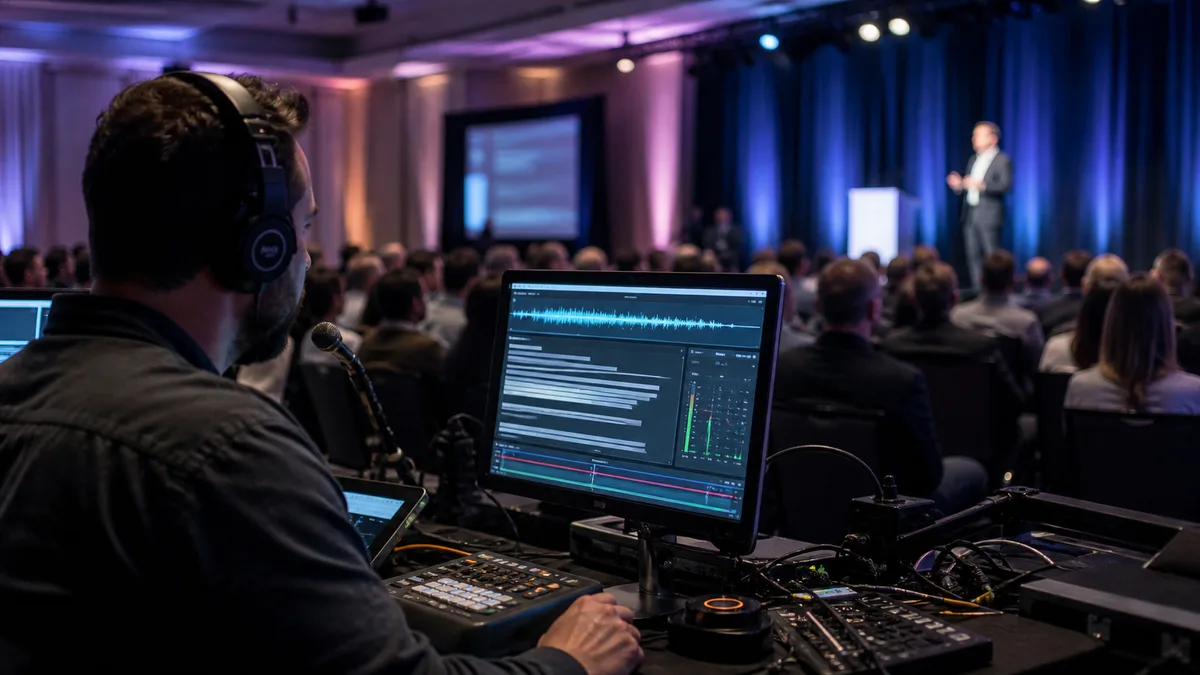
The event landscape in 2026 looks radically different from just two years ago. Tighter budgets, rising costs, and increasingly sophisticated attendee expectations have transformed how enterprises approach event planning. But here’s the reality: organizations that adapt to these shifts aren’t just surviving—they’re turning events into powerful business accelerators.
If you’re planning a corporate conference, industry summit, tech meetup, or international gathering in 2026, this comprehensive guide reveals what’s changed, what attendees now expect, and how to deliver events that drive measurable business outcomes.
The New Reality: How the Event World Has Changed in 2026
Smarter Monetization and Year-Round Communities
Gone are the days of one-off gatherings that end when attendees leave the venue. In 2026, successful events are designed as nodes in year-round communities, with continuous engagement that justifies sponsor investment and delivers ongoing value. Organizations are leveraging:
- Sponsorship integration beyond logo placement—creating meaningful brand experiences
- Pre-event and post-event engagement through digital communities
- Content monetization via on-demand libraries and micro-learning sessions
- Data-driven sponsor reporting showing actual engagement and pipeline impact
Modern event platforms now include sponsor management dashboards that track real-time engagement metrics, lead capture, and ROI reporting—giving sponsors the transparency they demand and justifying their continued investment.
Intentional Hybrid: In-Person as Flagship, Digital as Amplifier
Hybrid events in 2026 have evolved from “emergency replacements” to strategic, intentional formats. The winning formula:
- In-person remains the premium, flagship experience for deep networking and immersive engagement
- Digital layers extend reach to global audiences who can’t travel
- On-demand content captures knowledge for long-term value
- Data capture mechanisms track engagement across all touchpoints
The key difference? Organizations no longer try to replicate the in-person experience digitally. Instead, they design each layer for its unique strengths. Platforms with unified hybrid event capabilities ensure both in-person and virtual attendees receive personalized experiences while capturing comprehensive engagement data across all formats.
AI-Assisted Planning and Advanced Analytics
Event organizers in 2026 are using AI and automation to optimize every stage of the event lifecycle:
- Predictive attendance modeling helps forecast registrations and no-shows
- Automated marketing workflows personalize outreach based on behavioral data
- AI-powered agenda optimization balances session popularity and capacity
- Real-time resource allocation adjusts staffing, catering, and space based on live attendance
The result? 30-50% reduction in manual planning tasks while improving attendee experience and resource efficiency. Advanced event analytics platforms now provide predictive insights that help organizers make data-driven decisions before, during, and after events.
From Content-First to Experience-First: The Fundamental Shift
Journey Mapping Over Session Stacking
The traditional “pack sessions into every hour” approach is dead. Modern event planners are using journey mapping to design experiences around attendee emotion, energy levels, and learning psychology.
What this looks like in practice:
- Opening sessions focus on inspiration and community building
- Mid-event balances learning with networking and recovery breaks
- Closing experiences emphasize actionable takeaways and next steps
- Interactive touchpoints replace passive listening throughout
Tools with interactive engagement features like live polls, Q&A, gamification, and collaborative workshops help create these dynamic touchpoints that keep attendees actively participating rather than passively consuming.
Dynamic, Real-Time Adaptation
Static agendas are becoming obsolete. In 2026, leading event platforms enable real-time content adjustment based on live attendee behavior:
- Session recommendations change based on actual engagement patterns
- Networking suggestions evolve as connections form
- Content delivery adapts to attention metrics
- Resource allocation shifts based on foot traffic and participation
This isn’t just tech for tech’s sake—it’s about meeting attendees where they are in real-time, not where you thought they’d be six months ago when planning started. AI-powered recommendation engines analyze attendee behavior patterns in real-time, adjusting personalized suggestions throughout the event to maximize relevance and engagement.
Sustainability as Baseline Expectation
Sustainability is no longer a “nice-to-have” differentiator—it’s a baseline requirement in 2026, especially for enterprise events. Attendees and sponsors expect:
- Waste reduction strategies (digital badges, sustainable F&B, minimal swag)
- Carbon footprint transparency for travel and venue operations
- Local sourcing for vendors, materials, and catering
- Hybrid options that reduce unnecessary travel without compromising experience
Forward-thinking organizers are reporting sustainability metrics alongside attendance and engagement data. Digital-first event platforms with mobile event apps eliminate paper schedules, printed badges, and physical handouts—significantly reducing event waste while improving attendee convenience.
What Attendees Demand in 2026 (And Why It Matters)
Personalization as Standard, Not Premium
Today’s attendees don’t just prefer personalization—they expect it as the baseline. This includes:
Curated Agendas: AI-driven session recommendations based on role, interests, and professional goals
Tailored Networking: Intelligent matchmaking that connects people with shared interests, complementary expertise, or business synergies
Content Choice: Flexibility to consume sessions live, on-demand, or as micro-learning modules
Communication Preferences: Control over how and when they receive event updates
Why this matters: Generic, one-size-fits-all events feel dated and disrespectful of attendees’ time. Personalization directly correlates with satisfaction, retention, and post-event engagement.
Smart networking features powered by AI analyze attendee profiles, interests, and professional goals to suggest meaningful connections—moving beyond random encounters to strategic relationship-building. When combined with personalized agenda builders, every attendee experiences your event as if it were designed exclusively for them.
Production Quality and Interactivity
Zoom fatigue is real, but high-production, interactive experiences still captivate. In 2026, attendees expect:
- Broadcast-quality production for keynotes and main sessions
- Live polls and Q&A integrated seamlessly into content
- AR/VR elements for product demos or immersive storytelling
- Collaborative workshops with hands-on participation
- Gamification that drives engagement without feeling forced
The bar has been permanently raised by streaming entertainment and consumer tech experiences. Modern audience engagement tools integrate live polling, real-time Q&A, and gamification directly into session flows—keeping attendees actively involved rather than checking their phones.
Tangible Takeaways That Justify Investment
Especially for corporate attendees, every event must deliver clear ROI on time and travel investment. This means:
- Actionable insights they can implement immediately
- Strategic connections that advance business goals
- Skills or knowledge that improve job performance
- Resources and tools they can share with their teams
Post-event, attendees (and their employers) are asking: “What changed because I attended this event?”
Platforms with comprehensive content management ensure all session recordings, slides, and resources remain accessible on-demand, extending the event’s value long after it ends. Combined with connection management tools, attendees can continue conversations started at the event and track the business outcomes of new relationships.
Convenience as Hygiene Factor
Mobile-first event apps, seamless registration, clear communication, and offline fallbacks aren’t differentiators—they’re table stakes. When tech fails or logistics confuse, attendees blame the event, not the vendor.
Key convenience expectations:
- Single-app experience for agenda, networking, maps, and Q&A
- Pre-event onboarding that reduces day-of friction
- Clear wayfinding both physical and digital
- Responsive support when issues arise
- Offline functionality when connectivity fails
A robust mobile event app with offline capabilities ensures attendees can access schedules, maps, and networking features even in convention centers with poor connectivity—eliminating frustration and keeping the event experience seamless.
What Gen Z Wants (Because They’re Your Future Attendees and Speakers)
Immersive, Shareable Experiences Over Traditional Formats
Gen Z attendees approach events as “next-gen practitioners”—learners and co-creators, not passive consumers. They gravitate toward:
- “Instagrammable” environments designed for social sharing
- Interactive installations where they participate, not just observe
- Behind-the-scenes access to processes, people, or products
- Gamified elements that make participation fun and rewarding
Why this matters beyond Gen Z: These expectations are bleeding upward into Millennial and Gen X preferences. Experience-first design appeals across demographics.
Event platforms with gamification features and social sharing integrations make it easy to create these engaging, shareable moments. Leaderboards, achievement badges, and photo challenges turn passive attendees into active participants and brand ambassadors.
Casual, Purposeful Networking
Formal networking receptions with name tags and small talk feel outdated to younger professionals. Gen Z prefers:
- Small-group or peer-to-peer interactions with clear context
- Activity-based networking (workshops, games, collaborative challenges)
- Authentic conversations facilitated by shared interests or goals
- Low-pressure environments without forced interaction
Event design tip: Build networking into programming naturally rather than isolating it in awkward “networking blocks.”
AI-powered networking tools facilitate these casual, purposeful connections by suggesting conversation starters based on shared interests, allowing attendees to schedule informal coffee chats, and creating small group discussions around specific topics—all within the event app.
Relatable Speakers and Mixed Formats
Gen Z wants to hear from practitioners and creators they trust, not just C-suite executives reading slides. They value:
- Panel discussions over solo keynotes
- Live demonstrations over theoretical presentations
- Fireside chats with authentic, unscripted conversation
- Peer-led sessions where attendees share experiences
They also expect self-directed schedules with flexible learning formats—workshops, microlearning, discussion groups, and hands-on labs.
Flexible content management systems allow organizers to offer diverse session formats—from traditional presentations to interactive workshops to peer-led roundtables—giving attendees the choice and variety they crave.
Values Alignment and Social Proof
Before registering, Gen Z attendees vet events through social proof and creator validation. They look for:
- Inclusion and diversity in speakers, topics, and accessibility
- Sustainability practices transparently communicated
- Social impact or purpose beyond profit
- Authentic reviews from past attendees and influencers they follow
Action item: Make your event’s values visible and verifiable. Showcase speaker diversity, accessibility features, and sustainability commitments upfront.
Comprehensive accessibility features including multilingual support, disability accommodations, and cultural customization demonstrate your commitment to inclusion—attracting diverse audiences and meeting enterprise DEI requirements.
What Enterprises Need from Event Management Platforms in 2026
End-to-End Orchestration Across Event Portfolios
Large organizations managing multiple events annually need unified platforms that handle the full lifecycle:
- Registration and ticketing with flexible pricing and access tiers
- Budgeting and financial tracking with approval workflows
- Housing and travel management for attendees and staff
- Content management for sessions, speakers, and materials
- Marketing automation with segmentation and personalization
- Centralized reporting across all events for benchmarking
The pain point: Using five different tools creates data silos, inefficiency, and increased costs.
An end-to-end event management platform eliminates tool sprawl by providing registration, budget tracking, marketing automation, and reporting in one ecosystem. Organizations report 30-40% reduction in planning time and 50%+ improvement in cross-team collaboration when consolidating onto a unified platform.
Deep Personalization and AI
Enterprises expect AI to power:
- Session and networking recommendations tailored to individual profiles
- Predictive attendance modeling for better planning and resource allocation
- Marketing campaign optimization with A/B testing and behavioral triggers
- Chatbot support for attendee questions before, during, and after events
ROI Impact: AI-driven personalization increases engagement rates by 40-60% and significantly improves attendee satisfaction scores.
AI-powered event platforms analyze attendee profiles, behavior, and goals to deliver smart recommendations that adapt in real-time. Combined with automated marketing workflows, organizers can deliver personalized outreach at scale without manual segmentation.
Robust Data and Analytics
The #1 enterprise requirement: proving event ROI through data. Modern platforms must provide:
- 360° attendee profiles tracking engagement across all touchpoints
- Pipeline and revenue attribution linking event participation to business outcomes
- Cross-event benchmarks showing performance trends over time
- Real-time dashboards during events for immediate decision-making
- Sponsor ROI reporting with engagement metrics and lead quality data
Why this matters: Without clear ROI measurement, event budgets face cuts. Data-driven storytelling protects and grows event investment.
Comprehensive event analytics dashboards deliver the insights enterprises demand—from real-time engagement tracking to post-event pipeline attribution. When integrated with CRM systems, you can finally answer “Did this event deliver business value?” with data, not guesswork.
Enterprise-Grade Infrastructure
Large organizations can’t afford downtime or security breaches. Core requirements include:
- 9%+ uptime SLAs with redundancy and failover systems
- SOC 2, GDPR, and industry-specific compliance (HIPAA for healthcare, etc.)
- Scalability from 50-person executive retreats to 10,000+ attendee conferences
- Integration capabilities with CRM (Salesforce, HubSpot), marketing automation (Marketo, Eloqua), ERP, and HRIS systems
- White-label options for brand consistency
- Dedicated support with account management and onboarding
Platforms built with enterprise-grade security and extensive integration capabilities ensure your event technology meets IT requirements while connecting seamlessly with your existing tech stack.
Hybrid and Virtual Reliability
For hybrid events, enterprises need platforms that deliver:
- Broadcast-quality streaming with minimal latency
- Interactive features (polls, Q&A, chat) for remote attendees
- Virtual networking that doesn’t feel like an afterthought
- Offline backup plans when connectivity fails
- On-demand content management with search and recommendations
Hybrid event platforms with unified experiences ensure both in-person and virtual attendees receive personalized, engaging experiences while capturing comprehensive data across all formats.
Making 2026 Events Work: Practical Steps
1. Start with Clear Business Objectives
Before designing agendas or booking venues, define:
- What business outcomes does this event drive? (Pipeline, retention, brand awareness, thought leadership)
- Who are your core audiences and what do they need from this event?
- How will you measure success beyond attendance numbers?
Pro tip: Align event goals with broader organizational objectives to ensure executive buy-in and budget protection.
2. Design for Experience, Not Just Content
Use journey mapping to plan:
- Emotional arcs throughout the event (inspire → educate → connect → activate)
- Energy management balancing intensive sessions with recovery time
- Interactive touchpoints that engage rather than exhaust
- Memorable moments that attendees will share and remember
3. Choose Technology That Scales With You
Evaluate platforms based on:
- Unified capabilities (avoid tool sprawl)
- AI and personalization features (baseline requirement, not nice-to-have)
- Data and analytics depth (can you prove ROI?)
- Scalability and reliability (especially for hybrid)
- Integration ecosystem (does it work with your existing tech stack?)
Red flag: Platforms that require workarounds, manual data export/import, or constant vendor support.
4. Build in Flexibility and Contingencies
2026’s winners plan for:
- Real-time adaptation based on attendee behavior
- Backup plans for tech failures, weather, or unexpected disruptions
- Content flexibility allowing last-minute changes
- Scalability if registration exceeds expectations
5. Prioritize Accessibility and Inclusion
From day one, ensure:
- Speaker diversity across demographics, perspectives, and experience levels
- Accessibility features for attendees with disabilities
- Multilingual support for international audiences
- Values transparency about sustainability and social impact
Business case: Inclusive events attract broader audiences and align with enterprise DEI commitments.
6. Measure, Learn, Iterate
After every event:
- Analyze engagement data to understand what worked and what didn’t
- Survey attendees with specific, actionable questions
- Calculate ROI using pipeline, revenue, and retention metrics
- Document learnings and apply them to the next event
The compound effect: Organizations that treat events as iterative experiments improve ROI by 25-40% year-over-year.
The Bottom Line: Events in 2026 Demand More—and Deliver More
The event landscape in 2026 is more complex, more expensive, and more competitive than ever. But it’s also more powerful. Organizations that embrace AI-driven personalization, experience-first design, and data-proven ROI are turning events from cost centers into strategic business accelerators.
The question isn’t whether to adapt—it’s how quickly you can.
If you’re planning events in 2026, you need technology that:
- Personalizes at scale using AI, not guesswork
- Proves ROI with data, not anecdotes
- Delivers seamless experiences across mobile, hybrid, and in-person formats
- Scales with your ambitions from small gatherings to global conferences
- Prioritizes accessibility and inclusion for diverse, international audiences
The right event platform doesn’t just manage logistics—it transforms how attendees experience your event, how you prove business value, and how effectively you can scale your event program.
Ready to see how modern event technology can transform your 2026 event strategy? Explore how EventHex’s AI-powered platform delivers the personalized, engaging, ROI-positive events your stakeholders demand—and your attendees deserve.